
713-222-7211 Call For A Free Consultation
Blog
In some jobs, mitigating fire risk is imperative to preserve life
Workers in the oil and gas industry are well aware of the dangers they face, yet some concerns are out of their control. It is an employer’s responsibility to implement safety precautions for those surrounded by flammable materials.
Controlling fire hazards is a vital component of job safety. As such, the U.S. Occupational Safety and Health Administration (OSHA) recognizes standards for fire prevention plans on oil rigs and extraction sites.
Five ways employers can increase worksite safety
In general, employers must provide a safe work environment, free from known catastrophic hazards – even for jobs that include inherent danger. When drilling wells or servicing a gas line, precautions can include protection from falling objects, marked exit routes and personal protective equipment.
In close proximity to flammable materials, a fire could quickly turn deadly. As such, some of the ways a company can increase worker protection include:
- Inspection and safety audits. Once a company puts safety measures in place, they may overlook vulnerability posed by outdated or malfunctioning equipment. A logical approach to maintaining a safe worksite is evaluating the existing situation, and then proceeding accordingly.
- Comprehensive employee training. Those working with flammable substances should be able to demonstrate proper use of fire protection equipment after receiving clear directions for emergency responses.
- Monitored air quality. Detecting the amount of harmful gas or vapors in a work area can guide decisions about when to pause specific job activities.
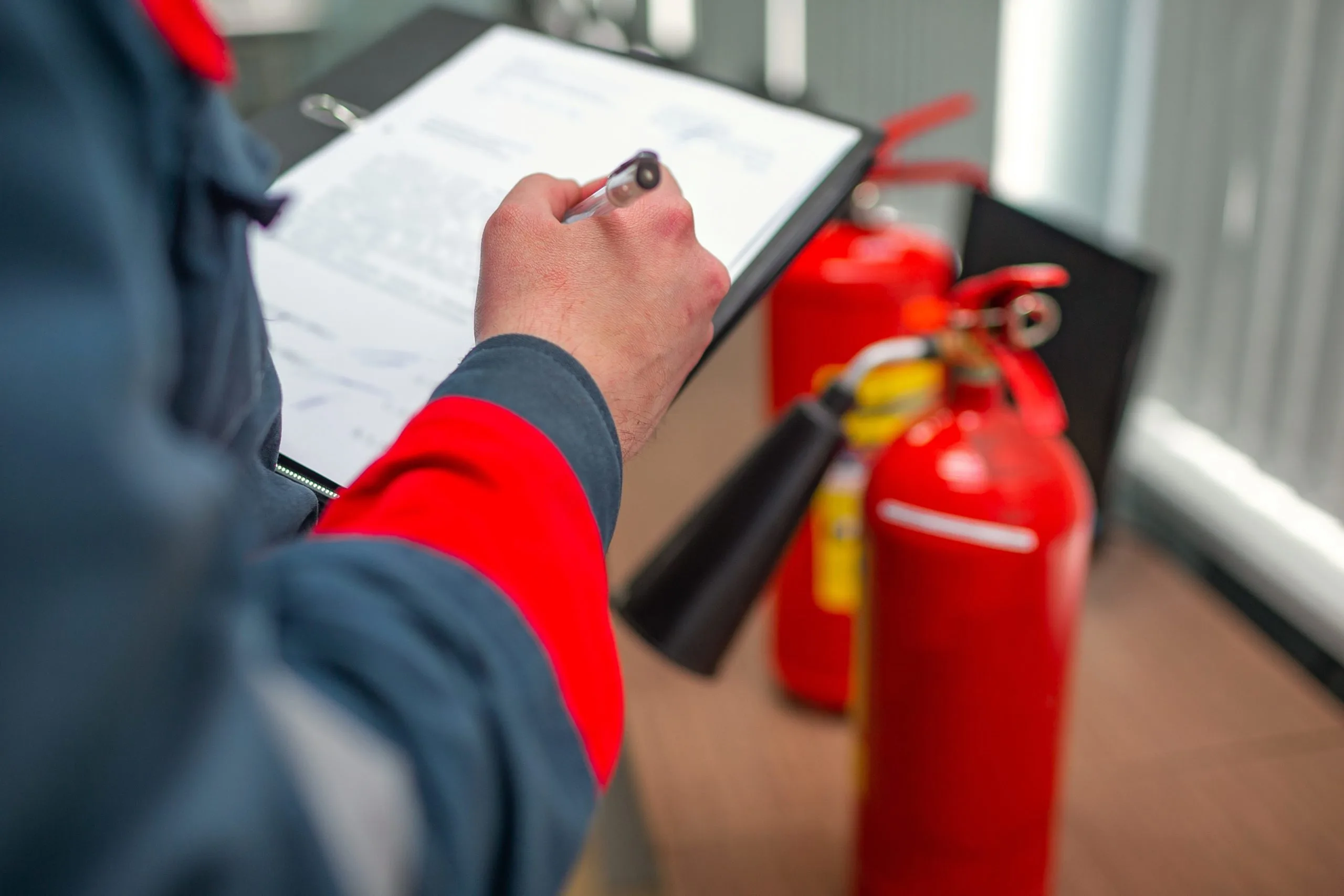
- Available safety equipment. There should be plentiful access to fire extinguishers so workers can isolate flames before they spread and, potentially, cause physical harm.
- Mass notification systems. An immediate warning about a fire could increase workers’ survival rate through the timely evacuation of an area.
These safety protocols, combined with those outlined by the Texas Administrative Code, oil and gas division, outline effective ways to prevent fires while working near explosive materials.
Proper execution of safety precautions can mitigate dangers. Therefore, if catastrophic injuries or fatalities occur, employer negligence may factor into accountability.
