
713-222-7211 Call For A Free Consultation
Blog
Liability For Injuries To Children On Landowners’ Property
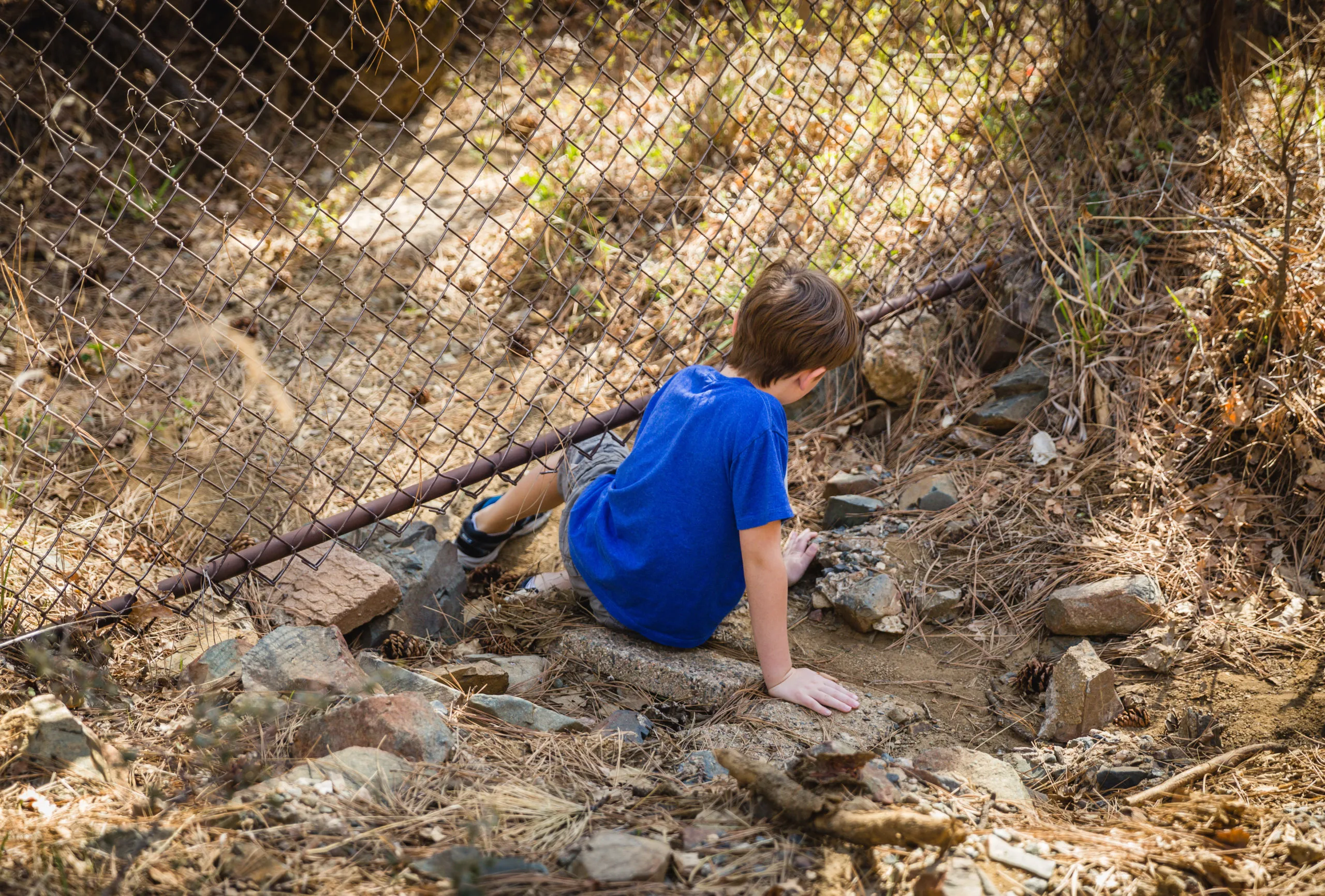
Landowners are legally responsible for injuries that occur due to dangerous conditions on their property. In typical premises liability claims, landowners are held accountable for failing to remedy dangerous conditions on their property and/or for failing to warn others of those dangerous conditions.
Premises liability for minors
The attractive nuisance doctrine holds landowners to a stricter standard when a dangerous condition on their land is an object likely to attract children. In such a case, landowners must ensure children’s safety. Landowners who fail to keep a child away from dangerous, yet attractive, objects may be liable for that child’s resulting injuries or death.
The doctrine exists because children are unable to appreciate the risks posed by certain dangerous objects. Young children may look at something like a toxic chemical plant and see it as a brightly colored playground; likewise, things such as heavy machinery, trampolines, swimming pools, treehouses, and vicious animals will also attract children who are unable to appreciate the very real dangers they pose.
Whether a child was trespassing does not preclude a claim
On first glance, many attractive nuisance claims seem like they would be precluded by the fact that the child was trespassing onto the property where they were injured. However, this is not the case in Texas.
Texas law gives the attractive object the legal effect of being an invitation to children to come onto the land. Thus, if there are no effective barriers keeping children from accessing the object, they are not considered to be trespassers when the attractive nuisance doctrine is implicated.
Five legal considerations
Courts look at these five factors when determining the applicability of an attractive nuisance claim:
- The landowner’s knowledge of whether child trespassing is likely in the place where the condition exists
- The landowner’s knowledge of whether the object involves unreasonable risk of death or serious bodily harm to children
- Whether children would not realize the potential risks involved with the dangerous object
- The landowner’s utility of the dangerous object compared to the burden of mitigating its risk to children
- Whether the landowner used reasonable care in protecting children from the danger
One of the more common situations where the attractive nuisance doctrine is implicated involves a child drowning to death in a swimming pool because the pool was not properly fenced off. Under such circumstances, it only makes sense to hold landowners accountable for failing to do the bare minimum to keep children safe.
