
713-222-7211 Call For A Free Consultation
Blog
Semi-Trucks’ Complex Braking Systems And How To Create Safer Roads
Introduction
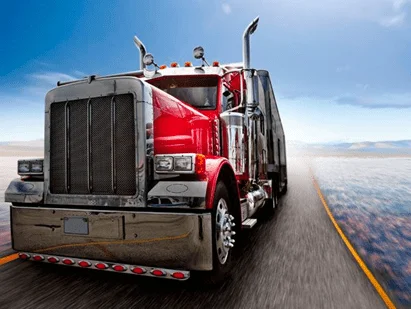
Semi-trucks are a common sight on highways across the country. They play a crucial role in our economy, shipping goods to and from locations. Those who drive these massive vehicles on the roads have a huge responsibility and play an essential role in keeping our roads safe.
As you can imagine, various moving pieces make a semi-truck operate. Everything must be in perfect working order, from the wheels to the trailer hitched on the back to driver operation, or disasters can happen in the blink of an eye.
Today, we will break down one of the most critical components keeping semi-truck drivers and other drivers on the road safe: the braking systems.
Did you know that a semi-truck traveling at around 65 mph could take up to two full-length football fields to come to a complete stop? Wow.
And keep in mind that it is assumed every brake system is in proper working order. Almost 30% of truck-related accidents come from a semi-truck losing control of their speed and momentum. The need for efficient and safe braking systems couldn’t be more dire.
Today, we’ll go into detail about the following:
- Understanding semi-truck brake systems
- Types of service brakes
- Detailed description of the components of semi-truck braking systems
- Explanation of where each braking system is used: service brakes, parking brakes, and emergency brakes
- Safety considerations and regulations set by the federal government
Let’s start by digging into the basics of understanding semi-truck brake systems.
Understanding The Three Semi-Truck Brake Systems
Semi-trucks have three types of braking systems:
- Service brakes
- Parking brakes
- Emergency brakes
Each brake has a specific task and time for activating the braking system. No system is more important than another, and only when all three systems operate properly can a semi-truck safely drive our roads and highways.
First, let’s learn more about service brakes and the five types across the trucking industry.
Service Brakes
Services brakes are the primary means of slowing down and stopping these massive vehicles. Even under normal driving conditions, these brakes are working overtime.
Within the service brake system, there are five main types of service brakes most semi-trucks are outfitted with:
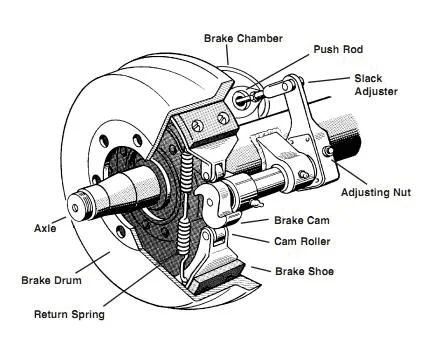
- Drum brakes
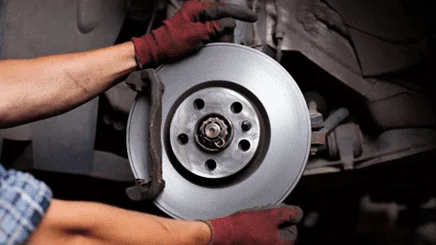
- Disc brakes
- Hydraulic brakes
- Air-over-hydraulic brakes
- Combination brakes
For larger semi-trucks and 18-wheelers, drum brakes have historically been the most popular service brake since they’re known for lasting durability and can handle the heaviest loads. However, in recent years, disc brakes have quickly gained popularity in newer trucks as they provide strong stopping power.
When looking at smaller trailers and semi-trucks, you would typically see hydraulic brakes making their appearance as they’re perfect for more light-duty applications.
Service brakes are known for being the “lifesavers of the road” because of their expert precision and control for truck drivers. As you’ll learn in this article, proper maintenance and regular checkups are the keys to limiting accidents on the road.
Parking Brakes
Parking brakes are the second piece of the puzzle when mapping out how semi-trucks can operate safely on our roads. They are also known as emergency brakes but function entirely differently than standard ones, which we’ll cover in the next section.
Parking brakes have a straightforward goal: keep the semi-truck parked. Easy enough?
It’s important to regularly check the parking brake lever or pedal, cable, and drum engagement.
It’s also vital that truck drivers understand how to engage their parking brake correctly each time they are stationary. Not following the steps when parking the semi-truck can result in disaster.
Emergency Brakes
Emergency brakes are self-explanatory, similar to parking brakes. They are the last line of defense when all other primary braking systems fail.
Emergency brakes, like parking brakes, typically have a hand lever or pedal. Once pulled or pressed, the semi-truck will slow down and ultimately stop. This dangerous stopping maneuver is only used when other measures have been attempted.
As we’ve mentioned, with service and parking brakes, it’s crucial to check for problems and routine maintenance regularly.
Components Of Semi-Truck Braking Systems
Now that you can name and describe the three types of semi-truck braking systems (service, parking, and emergency,) it’s important to understand how these braking systems work.
Several components are at play within each system, from air compressors to air reservoirs and everything in between.
While we won’t go through every part of semi-truck braking systems, we will share the top three most essential components.
1. Brake Drums
Usually, we would mention the brake pedal as the number one braking system component, but that felt too obvious, so here we are with our number two: brake drums.
Brake drums constantly rotate during the braking process, where the brake pads make direct contact to create friction, ultimately slowing the semi-truck down.
These relatively small but mighty parts are not an area where trucking companies want to be frugal. There are significant differences between the quality and condition of brake drums, as not all are created equal.
Understanding the right brake drums for your specific vehicle is critically important.
2. Brake Shoes/Pads
Briefly mentioned above, brake shoes/pads work hand-in-hand with the brake drums to generate friction to stop a fast-moving semi-truck. Like brake drums, this is a component you don’t want to devalue or “go for the cheapest option.”
Brake pads will make or break your ability to safely halt a semi-truck. Their routine maintenance checks and replacement when worn cannot be overstated.
3. Brake Chambers
Brake chambers convert the energy from compressed air into mechanical force that will be used to stop the semi-truck. This process triggers the brakes to activate and begin stopping the moving semi-truck.
Each of the components above is vital to a successful braking system. Each of them starts and completes their task in the blink of an eye, ensuring the safety and reliability of semi-trucks, the drivers, and other vehicles on our roads.
Safety Considerations And Regulations For Semi-Truck Brakes

We’ve outlined the mechanisms and components of creating a safe semi-truck braking system.
Next, we’ll discuss the federal government’s maintenance and safety requirements, how truck drivers can ensure their vehicles are operating correctly, and how braking systems prevent accidents.
Federal Motor Carrier Safety Administration (FMCSA) Guidelines
The FMCSA has created comprehensive guidelines and regulations that govern semi-truck brake systems. These regulations ensure the safety standards for every braking system are met.
Within the guidelines and regulations, each semi-truck drive must meet strict maintenance, performance, adjustment, and checkup requirements. The braking systems must be checked at least once yearly, ideally more often.
The FMCSA also establishes minimum performance standards to guarantee that braking systems can safely stop heavy trucks and their loads. Adherence to these federal regulations is a legal requirement and a fundamental step in enhancing road safety.
Importance of Regular Maintenance, Inspections, And Driver Training
As we’ve covered throughout this article, regular maintenance and inspections are at the core of brake system safety.
Trucking companies must have stringent maintenance schedules to check and maintain brake components. Drivers should be trained to recognize the signs of brake wear or malfunction.
Companies should also create an environment that empowers drivers to report issues immediately. Preventative maintenance and prompt repairs can reduce the risk of brake system failures that could lead to accidents on the road.
Additionally, companies must place a massive focus on driver training. Detailed training ensures that truck operators understand the nuances of the braking system, including the importance of correct brake usage, adjustment, and recognizing warning signs.
Companies that do not train their drivers appropriately risk their employees’ and other vehicle drivers’ lives.
Preventing Accidents on the Road
Unsurprisingly, semi-truck accidents involving braking system failures or malfunctions can result in terrible consequences.
As with any vehicle on the road, having effective brake systems can be the difference in life and death. Well-maintained, properly adjusted brakes and well-trained drivers are key to accident prevention.
By complying with FMCSA guidelines, investing in regular maintenance, and prioritizing driver training, the trucking industry keeps its commitment to safety and contributes to safer roads for everyone.
Ensuring the safety of semi-truck brake systems is a collective effort involving trucking companies, drivers, and government agencies. When everyone collaborates to make roads safer, we ensure everyone behind the wheel can safely return home.
FMCSA 2024 Safety Week
Each year, the Federal Motor Carrier Safety Administration runs a safety week. This year, the safety week will occur from July 7th to July 14, 2024.
Safety Week presents a valuable opportunity to increase awareness, share practical knowledge, and work towards reducing roadway fatalities.
It focuses on educating ALL road users, not just those who drive semi-trucks, about safe interactions with large trucks and buses. Throughout the entire week. The FMCSA will provide resources, webinars, and live events nationwide.
The goal remains the same for the FMCSA: educate as many people as possible until we can reach ZERO deaths on our roads.
How Can Abraham Watkins Help You After A Truck Accident?

At Abraham Watkins, we understand the physical, emotional, and financial toll that a truck accident can take on victims and their families.
The aftermath can be overwhelming.
In these challenging times, our experienced team of truck accident attorneys steps in to provide you with the support, guidance, and advocacy you need.
Why You Need a Specialized Truck Accident Attorney
Truck accidents are not your typical car accidents.
They involve complex factors, including federal regulations, multiple liable parties, and substantial damages. That’s why having a legal team with specialized knowledge and a proven track record in handling truck accident cases is important.
Our dedicated truck accident attorneys deeply understand the unique aspects of these cases. We know how to investigate, negotiate, and litigate effectively to ensure you receive the compensation you deserve.
Here’s how Abraham Watkins can assist you in the aftermath of a truck accident:
- Thorough Investigation: We start by conducting a comprehensive investigation into the accident. This includes examining the accident scene, collecting evidence, reviewing police reports, and interviewing witnesses. We aim to establish liability and build a strong case on your behalf.
- Identifying Liable Parties: Truck accidents often involve multiple parties, such as the truck driver, the trucking company, maintenance crews, and manufacturers. We determine all potentially liable parties to ensure no stone is left unturned in pursuing compensation.
- Expert Consultations: We work with accident reconstruction specialists, medical experts, and economists to assess the extent of your injuries, damages, and other losses. These experts help us accurately calculate the value of your claim.
- Dealing with Insurers: Negotiating with insurance companies can be intimidating, especially when dealing with the trucking company’s insurers. Our attorneys have experience dealing with these complex negotiations and are skilled in securing fair settlements.
- Litigation if Necessary: Our legal team is prepared to take your case to court if a fair settlement cannot be reached through negotiations. We have a successful track record of litigating truck accident cases and are ready to fight for your rights in the courtroom.
- Maximizing Compensation: Our primary goal is to maximize your compensation. We seek damages for medical expenses, lost wages, pain and suffering, property damage, and more. We are committed to helping you rebuild your life after a truck accident.
- Compassionate Support: We understand the physical and emotional toll a truck accident can have on victims and their families. Our legal team provides support throughout the process, answering your questions, addressing your concerns, and guiding you every step of the way.
At Abraham Watkins , our mission is to support and advocate for individuals who have suffered a truck-related accident involving injury or death.
Everyone should have the best legal representation, regardless of their financial situation.
That’s why we operate on a contingency fee basis. You won’t have to worry about upfront legal fees or expenses. We only get paid when you win your case and receive the money you deserve.
What To Do Next
Contact the legal team at Abraham Watkins today if you or someone you love has suffered injury or death from a truck-related accident.
Let us put our experience and dedication to work for you, fighting tirelessly to protect your rights and secure the compensation you need to move forward. Your recovery is our top priority, and we are here to help you every step of the way.
You are not alone. Who you hire matters!
Contact us today for a free consultation at 713-222-7211 or 1-800-870-9584 .
