
713-222-7211 Call For A Free Consultation
Blog
How Texas Law Protects You from Robocall and Telemarketing Abuse
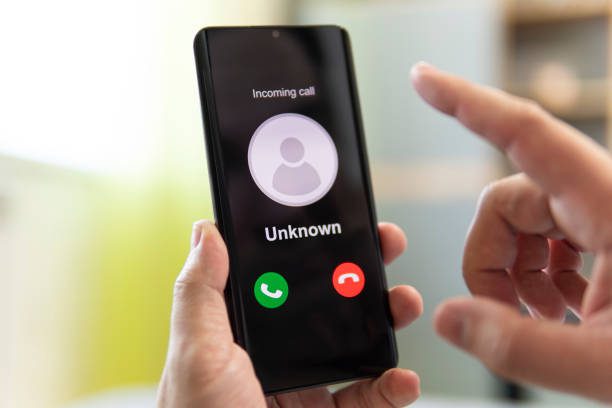
Robocalls and telemarketing harassment can feel invasive and overwhelming, but both federal and Texas laws give consumers the tools they need to fight back. Understanding your rights under the TCPA and state-specific laws can make all the difference.
The Telephone Consumer Protection Act (“TCPA”) sets strict limits on telemarketing practices. Telemarketers must have prior express written consent before contacting consumers using auto dialers or prerecorded messages. This includes calls to cell phones and residential landlines. The TCPA also provides additional protection for those who register their numbers on the Do-Not-Call Registry, ensuring that telemarketers with no established business relationship cannot contact you.
Texas law, including the Texas Business and Commerce Code, builds on these protections. For example, § 305.053 allows consumers to sue for TCPA violations, including up to $500 per unauthorized call or $1,500 per willful violation. Additionally, the Texas Attorney General’s Office enforces stringent rules requiring telemarketers to identify themselves, disclose their purpose, and avoid deceptive practices like caller ID spoofing.
Victims of robocalls or harassing telemarketing practices should keep a detailed record of all interactions, including call logs, text messages, and any revocation of consent. Documenting these violations strengthens your case and increases the likelihood of recovering damages. For a free consultation, please contact an attorney at Abraham, Watkins, Nichols, Agosto, Aziz & Stogner by calling 713-222-7211 or 1-800-870-9584.
