
713-222-7211 Call For A Free Consultation
Blog
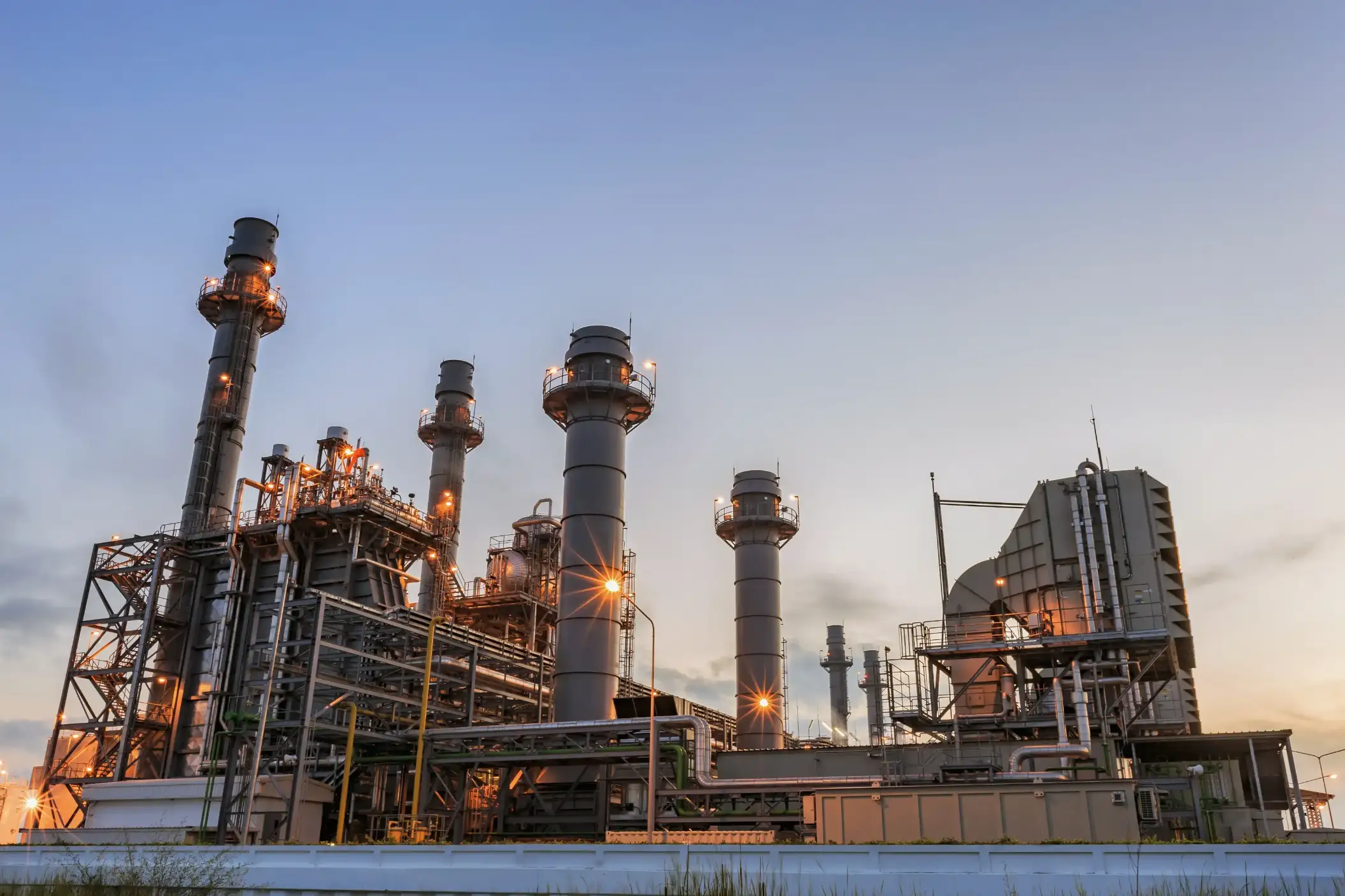
5 Reasons Oilfield Work Is So Dangerous
Oilfield work is among the most hazardous occupations in the United States for several reasons, and Texas oilfields account for a disproportionate share of injuries and fatalities each year.
The five most common and dangerous risk factors include falls, explosions, heavy equipment incidents, transportation crashes, and toxic chemical exposure. If you work in the oil and gas industry, the reasons oilfield work is so dangerous are not abstract statistics; they are risks you face every time you clock in.
5 Most Common Oilfield Accidents
Although oil and gas extraction (OGE) workers make up a small share of the U.S. workforce, they are consistently overrepresented in workplace injury, illness, and fatality statistics. The five most common types of oilfield accidents share a common thread: they are largely preventable when employers follow proper safety protocols.
1. Falls from Heights and Slips
Oilfield workers routinely perform tasks on drilling derricks, elevated platforms, and scaffolding at significant heights. Wet, oily surfaces, combined with heavy equipment and fatigue from long shifts, create conditions where falls occur with alarming regularity.
OSHA regulations under 29 CFR 1910.22 require employers to maintain walking-working surfaces in a safe condition and free of recognized hazards.
However, many operators fail to provide adequate fall protection systems, guardrails, or slip-resistant surfaces. When those safeguards are absent, workers pay the price with broken bones, spinal injuries, traumatic brain injuries, and worse.
2. Explosions and Fires
The combination of flammable gases, high-pressure systems, and electrical equipment makes every oil and gas site a potential ignition point. Blowouts, gas leaks, and equipment malfunctions can trigger explosions with little to no warning. Workers who survive these events often suffer severe burns, blast injuries, respiratory damage, and lasting psychological trauma.
Proper monitoring systems, gas detection equipment, and emergency shutdown procedures can reduce these risks. Unfortunately, too many operators cut corners on maintenance and inspection schedules.
3. Heavy Machinery and Equipment Accidents
Drilling rigs, pump jacks, cranes, and other heavy equipment dominate every Houston oilfield accident scene. Workers operate in close proximity to rotating components, high-pressure lines, and massive loads suspended overhead.
Caught-between and struck-by incidents involving this equipment cause crushing injuries, amputations, and fatalities at rates that consistently outpace most other industries. Defective machinery, inadequate training, and failure to implement lockout/tagout procedures are among the most common contributing factors in these accidents.
4. Transportation Injuries
Getting to and from remote well sites involves long hours on rural highways, often in company vehicles or large transport trucks. Oilfield workers who have already completed a 12-hour shift may drive significant distances while fatigued, and the vehicles themselves may not receive proper maintenance.
Under the Federal Motor Carrier Safety Regulations, commercial drivers must comply with hours-of-service limitations. However, enforcement on oilfield service routes often falls short. Rollovers, head-on collisions, and rear-end crashes on isolated roads account for a significant percentage of oilfield fatalities every year.
5. Exposure to Toxic Chemicals and Gases
Oilfield workers regularly handle or work near hydrogen sulfide, benzene, silica dust, drilling fluids, and other hazardous substances. Prolonged exposure can cause respiratory disease, neurological damage, organ failure, and cancer. Short-term exposure to high concentrations of hydrogen sulfide can be fatal within minutes. Employers must provide proper ventilation, monitoring equipment, and respiratory protection, yet many workers report that these safeguards are either unavailable or poorly maintained on-site.
Oil and Gas Extraction Industry Injuries and Fatalities
Oil and gas accidents in Texas produce a devastating number of injuries and deaths compared to most other industries. The physical demands of the work, remote locations, and high-pressure environments all contribute to an elevated risk profile that workers and their families live with daily. According to OSHA injury reports, the statistics paint a sobering picture:
- 2,101 severe work-related injuries were reported in the oil and gas extraction industry;
- 42.6% of all severe injuries involved the upper extremities;
- well service contract workers accounted for 70.1% of all reported severe injuries;
- 417 amputations reported among well service contract workers alone;
- 1,194 hospitalizations among well service contract workers, and
- drilling and service contract workers suffered disproportionately more injuries than operations workers.
These figures only capture injuries severe enough to require amputation, loss of an eye, or inpatient hospitalization under federal OSHA jurisdiction. The true scope of oilfield injuries, including less severe but still life-altering harm, extends well beyond what these numbers reflect.
How Can I Get Compensated for an Oilfield Injury?
Generally, when workers are injured on the job, their primary source of financial support is Workers’ Compensation. This insurance coverage should cover all medical expenses, partial lost wages, disability payments, and death benefits for families.
However, Texas does not require all private employers to carry Workers’ Compensation insurance, which means many oilfield workers must pursue nonsubscriber negligence lawsuits or third-party personal injury claims to recover damages. If your employer opted out of the Workers’ Compensation system and you can prove negligence, you may have the right to sue directly for the full scope of your losses, including:
- past and future medical expenses;
- lost wages and diminished earning capacity;
- emotional suffering;
- mental anguish;
- pain and suffering in the past and future;
- permanent disfigurement; and
- wrongful death damages for surviving family members.
While Workers’ Compensation is a no-fault system, you must prove negligence and liability for nonsubscriber or third-party claims. Fault can be complicated, and many workers are blamed for their own injuries.
Texas follows a modified comparative fault system, which can reduce compensation in personal injury lawsuits if you were partially to blame. You can still recover partial compensation as long as you were less than 50% to blame. It is worth discussing a possible claim with a legal professional.
Fortunately, while you must prove negligence for a nonsubscriber claim, your employer is generally prohibited from presenting defenses like comparative fault.
Schedule Your Free Consultation With an Oilfield Lawyer Today
Were you injured while working on an oil rig, pipeline, or well site in the Houston area? The steps you take now will directly shape your ability to recover the compensation you need for medical treatment, lost income, and the long-term effects of your injury.
Abraham Watkins has stood with injured oilfield workers for over seven decades, and our team is ready to fight for you. Call (713) 222-7211 or contact us online to schedule a free consultation with a Houston oilfield accident lawyer today.
Abraham, Watkins, Nichols, Agosto, Aziz & Stogner
800 Commerce St, Houston, TX 77002, United States
About The Author

Benny Agosto, Jr. earned his J.D. from South Texas College of Law Houston and is a Board-Certified Personal Injury Trial Lawyer. As Managing Partner of Abraham, Watkins, Nichols, Agosto, Aziz & Stogner, he represents individuals and families harmed by negligence in catastrophic injury cases, including chemical plant explosions, workplace accidents, wrongful death, premises liability, and product liability matters.
A former NCAA Division I soccer player at Houston Christian University and educator, Benny brings discipline, leadership, and compassion to every case he handles. He currently serves as lead or co-lead counsel in major chemical plant fire and explosion cases across Texas.
Deeply committed to service, Benny is a past president of both the Houston Bar Association and the Hispanic National Bar Association, and he is the founder of the MABATx Foundation, which has raised more than $500,000 in scholarships for Hispanic law students. In recognition of his excellence, he has been consistently named to Texas Super Lawyers and honored by Best Lawyers as Houston’s 2023 Product Liability Litigation – Plaintiffs “Lawyer of the Year.”
