
713-222-7211 Call For A Free Consultation
Blog
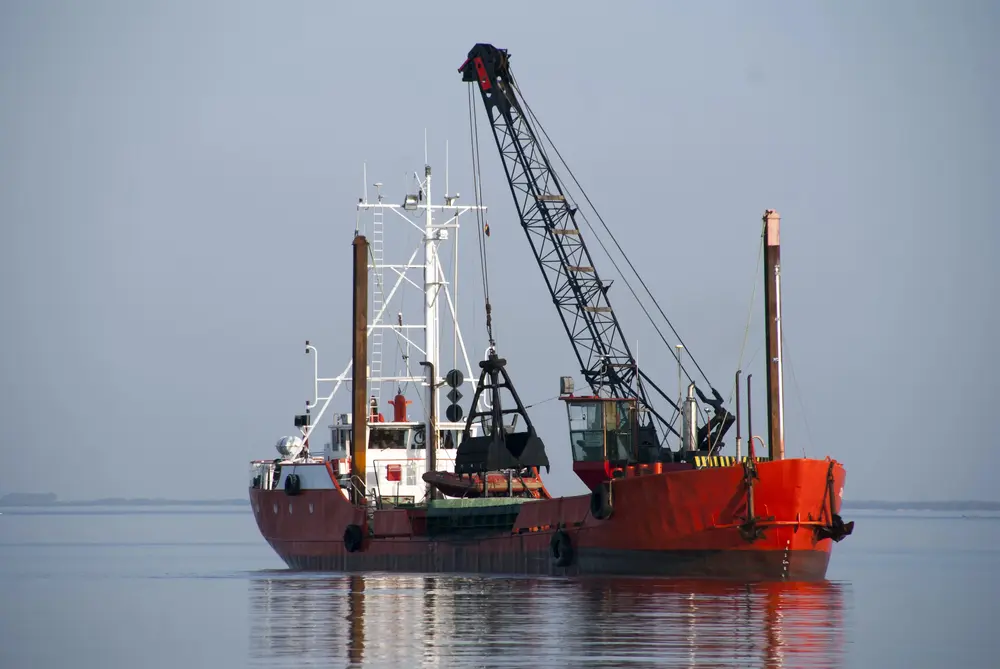
Am I Entitled to Compensation Under the Jones Act If Injured While Working on a Ship?
You’re likely to be familiar with the laws of the land, but what about the laws of the sea? If you work on a ship, then you’ve likely heard of the Jones Act, but do you know whether or not it is a statute that you can take advantage of if you’ve been injured at work? What you need is an experienced maritime lawyer like those on our team Abraham, Watkins, Nichols, Agosto, Aziz & Stogner in Houston, TX.
Am I Entitled to Compensation Under the Jones Act If Injured While Working on a Ship?
In a word, yes. This law exists to protect seamen, that is, those who work on board ships. Though there are some specific aspects of the law governing who counts as a seaman, the likelihood is that if you have been injured during the course of working on a ship, you will be able to file a Jones Act claim.
Who Is a Seaman?
To qualify as a seaman, you must spend at least 30% of your work time aboard a vessel or a fleet of vessels in navigation. This means that the vessel needs to be afloat, operational, and capable of moving on navigable waterways. Examples of this type of vessel include ships, barges, tugboats, fishing boats, and some oil platforms (if they are moveable and not tethered to the ocean floor).
What Is the Act?
The Jones Act, also known as the Merchant Marine Act of 1920, is a federal law formulated in the aftermath of WWI to boost the shipping industry. It requires that any cargo traveling by sea between two U.S. ports must sail on a US-owned, US-built ship with a majority crew of U.S. citizens. Additionally, it provides seamen with the right to seek compensation for injuries sustained while working on navigable waters.
What Evidence Do You Need for a Claim?
As with other personal injury claims, you must be able to prove that your employer or the owner of the boat was negligent or allowed a regulatory infraction in a way that led to your injury. However, it is in some ways significantly broader than other personal injury law and takes into account the unique situation in which maritime workers find themselves.
Even if you are found to be partly at fault for the injury, the Act allows you to seek full compensation for losses, including medical expenses, lost wages, pain and suffering, and other damages resulting from an employer’s negligence.
Does It Matter What Job I Do on the Ship?
Originally, everyone who worked on a ship would be a sailor or a cook (who was often also a sailor the rest of the time), but times have changed. Ships’ crews now include full-time cooks, medical personnel, electricians, plumbers, and others who spend all their working time on ship. If you do a job like this and are injured on board, you can still file a claim. As long as the work you do aboard contributes to the function of the vessel, it does not matter if you are not directly involved in operation or navigation.
What If I’ve Been Injured Whilst Working on a Ship But Don’t Count as a Seaman?
There are a number of reasons why you may be injured on a ship but not be eligible for a claim. If you are an engineer who repairs ships in dry dock, then you are not eligible because the ships are not afloat or capable of navigation. Similarly, if you work on a fixed offshore oil platform for the majority of your time and spend less than 30% of your work aboard an actual ship, then you will not qualify.
However, that does not mean that you are without recourse to the law. There are excellent protections available for you if you work around waterways, whether you are a dockworker, shipbuilder, longshore worker, ship-repairer, or harbor worker. For those working on shore, the Longshore and Harbor Workers’ Compensation Act should be the first port of call when looking to find workplace injury compensation. For those who work offshore, the Outer Continental Shelf Lands Act protects those workers on the federal level, as they are technically not working in any state.
What Are the Time Limits for Filing a Claim?
Personal injury cases in Texas usually need to be filed within two years of the incident. However, the Jones Act, which takes precedence over state law, allows a case to be filed within three years of the incident. That doesn’t mean that it is wise to wait around until your time is nearly up, though.
A last-minute claim is not only likely to result in stress, but can also create other issues. Timely action is the best way forward when you’re pursuing a claim, for a number of reasons.
Availability of Evidence
Over time, evidence relating to your injury may be lost, destroyed, or become more difficult to obtain. Witnesses may move away, their memories may fade, and physical evidence may deteriorate. Prompt action helps make sure that the evidence needed to support your claim is preserved.
Negotiating Position
Employers and their insurance companies are more likely to take your claim seriously if you act promptly. Delays can weaken your negotiating position. For example, even if you are within the three-year statute of limitations, defendants may use the Doctrine of Laches to argue that your claim should be barred due to unreasonable delay.
Tolling the Statute of Limitations
In some situations, the statute of limitations for a claim may be tolled, or paused, allowing the injured seaman additional time to file a claim. This may be possible if you are incapacitated by an injury and are unable to file the suit within the three years allowed by the act. The time limit for filing a claim may also be extended if it is revealed that an employer concealed the cause of an injury or the fact that an injury occurred.
Call a Maritime Lawyer in Houston, TX
If you’ve been injured but are not sure how best to proceed with seeking compensation, the first step is to call an experienced maritime lawyer. We can evaluate your case and assess whether or not you are covered by this Act. Whether you qualify as a seaman or not, we will be able to suggest the best course of action and support you in getting the compensation that you deserve.
Maritime law is complicated, but our experience will see you through. If you spend more than 30% of your working time aboard a ship and contribute to the functioning of the vessel, and you’ve been injured during that work, then the chances are good that you’ll be able to file a claim.
To find out more, get in touch with us at Abraham, Watkins, Nichols, Agosto, Aziz & Stogner in Houston, TX, to book an initial consultation. We are dedicated to the welfare of our clients, and you can trust us to do our best for you.
