
713-222-7211 Call For A Free Consultation
Blog
Are Trucking Accidents More Common During the Holiday Season?
Yes, trucking accidents increase significantly during the holiday season. November, December, and January see more collisions due to factors such as heightened commercial shipping demand and increased traffic volumes, leading to countless injuries and fatalities.
At Abraham, Watkins, Nichols, Agosto, Aziz & Stogner, we hold negligent truck drivers, trucking companies, manufacturers, and other third parties liable to secure maximum compensation for truck accident victims. Contact us now for your free consultation.
Holiday Trucking Accident Statistics
Large truck crashes spike by approximately 20 percent during the holiday months of Thanksgiving, Christmas, and New Year’s compared to other times of the year. The National Safety Council (NSC) provides compelling data about holiday trucking fatalities:
- November: 435 people died in truck crashes;
- December: 357 people killed in truck crashes; and
- January: 376 people died in truck crashes.
Trucking fatality statistics further demonstrate that out of the people who died in large truck accidents, 16 percent of the deaths were truck drivers and occupants, whereas 65 percent were occupants of cars and other passenger vehicles. Finally, 17 percent represent motorcyclists, pedestrians, and bicyclists.
Why Are Trucking Accidents More Common During the Holiday Season?
Multiple factors converge during the holiday months to create perfect conditions for devastating truck collisions that kill and injure innocent motorists, passengers, and vulnerable road users.
Increased Holiday Traffic and Congestion
Highways experience unprecedented congestion during holiday periods as millions of Americans travel to visit family, attend celebrations, and take vacations, creating dangerous conditions for large commercial vehicles operating in heavy traffic:
- more vehicles competing for limited road space;
- frequent lane changes and sudden stops;
- reduced the following distances between vehicles;
- extended traffic backups at popular travel times;
- higher accident rates in congested areas; and
- aggressive driving behaviors from frustrated motorists.
Commercial Delivery Spikes
E-commerce sales skyrocket during the holiday shopping season. The increase forces trucking companies to transport unprecedented volumes of packages and merchandise to warehouses, distribution centers, and retail locations nationwide. Shipping companies add extra trucks to their fleets and push existing vehicles beyond normal operating schedules to meet consumer demand for fast delivery.
Tight Delivery Deadlines and Schedules
Retailers demand strict adherence to delivery windows during the holidays, creating intense pressure on trucking companies and individual drivers to meet unrealistic timelines regardless of safety concerns. Companies penalize drivers for late deliveries, incentivizing speeding, skipping mandatory rest breaks, and taking dangerous shortcuts. Drivers who fall behind schedule face termination, making them willing to engage in risky behaviors that endanger everyone sharing the road.
Truck Driver Fatigue
Extended working hours, night driving, and insufficient rest periods cause severe fatigue that impairs truck drivers’ reaction times, decision-making abilities, and situational awareness as effectively as alcohol intoxication.
Federal regulations establish hours-of-service limits, but companies often pressure drivers to falsify logbooks or exploit exceptions to maximize productive driving time. Exhausted truckers fall asleep at the wheel, fail to notice stopped traffic, and make critical errors that result in catastrophic multi-vehicle crashes.
Distracted Driving
Truck drivers face numerous distractions that divert their attention from operating massive commercial vehicles safely in challenging holiday traffic conditions, leading to preventable collisions with devastating consequences. Common distractions are as follows:
- GPS devices and routing applications require constant monitoring;
- mobile phones for communication with dispatchers and customers;
- electronic logging devices and onboard computers;
- eating and drinking during long driving shifts;
- personal electronic devices for entertainment; and
- external distractions from holiday decorations and activities.
Overlooked Truck Maintenance
Increased vehicle utilization during the holiday season reduces the time trucks spend in maintenance facilities, allowing mechanical defects to develop and worsen without proper inspection or repair. To keep vehicles in continuous operation, some companies defer routine maintenance, creating hazardous conditions that include brake failures, tire blowouts, steering defects, and lighting system malfunctions.
Increased Impaired and Drunk Driving
Holiday celebrations involving alcohol consumption lead to more impaired drivers on the roads, and truck drivers sometimes participate in these activities despite strict regulations prohibiting any alcohol use before operating commercial vehicles. Other motorists driving under the influence create hazards that truck drivers must avoid. Unfortunately, the size and weight of commercial trucks make evasive maneuvers difficult or impossible.
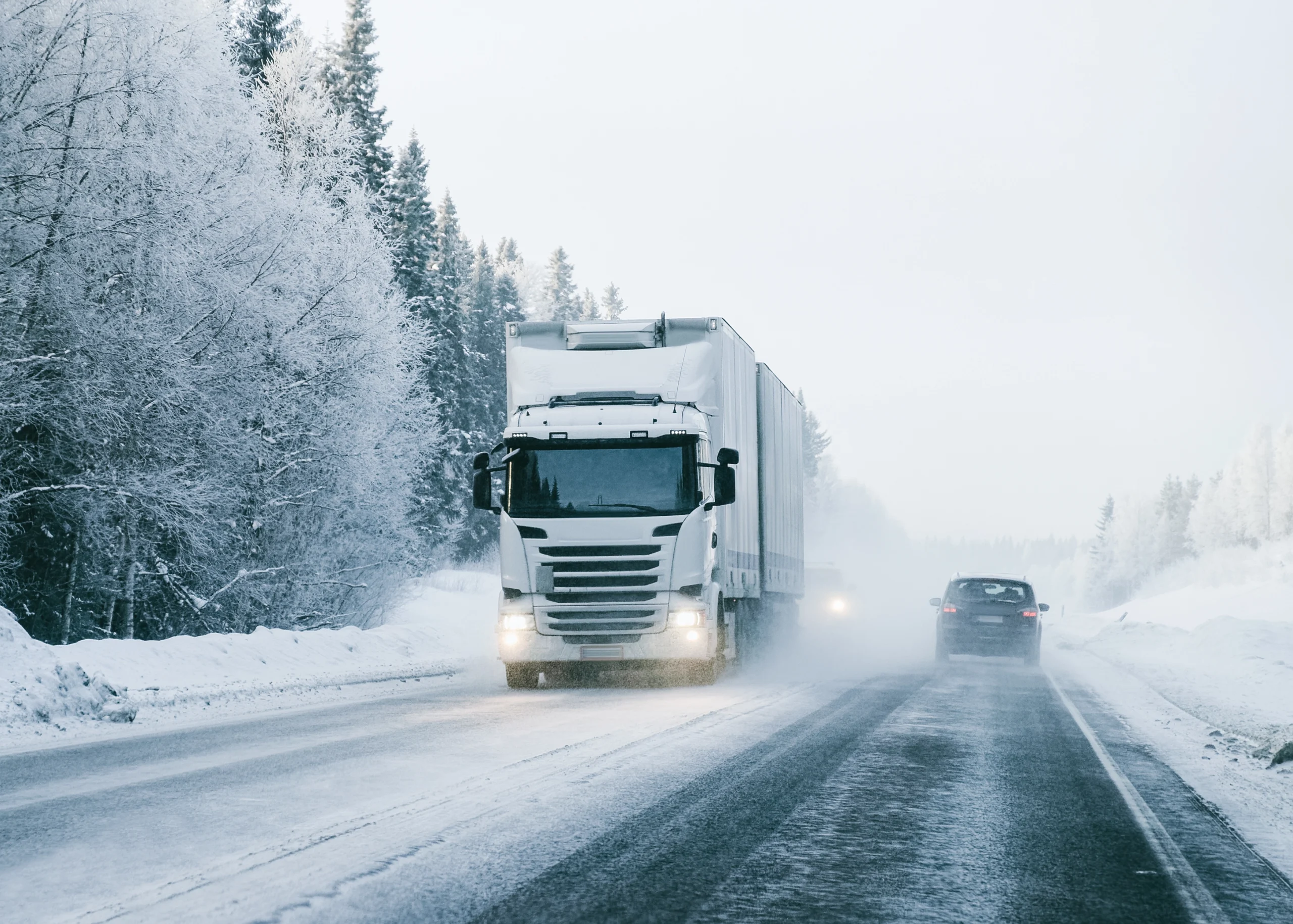
Hazardous Winter Weather Conditions
November through January brings hazardous winter weather conditions and reduced visibility, making operating commercial trucks exponentially more dangerous, particularly for drivers unfamiliar with winter driving techniques. Dangerous conditions include:
- icy roads;
- black ice;
- snow accumulation;
- rapid weather changes;
- high winds affecting vehicle stability and control; and
- reduced visibility from fog, precipitation, and early darkness.
Liability in Truck Accidents
Multiple parties may be responsible for holiday truck accidents depending on the circumstances that caused the collision. Texas law allows injured victims to pursue compensation from all negligent entities:
- Truck drivers: Operators who speed, drive while fatigued, violate traffic laws, or fail to maintain proper control;
- Trucking companies: Employers face liability under respondeat superior principles, and for negligent hiring, training, supervision, and maintenance practices;
- Cargo loaders: Companies that improperly secure freight or overload trucks;
- Maintenance contractors: Service providers who perform substandard repairs or miss critical defects during inspections;
- Parts manufacturers: Companies producing defective truck components; and
- Other motorists: Passenger vehicle drivers whose negligence contributes to truck accidents.
Did You Suffer Harm in a Trucking Accident? Contact Abraham Watkins Now
We understand the complex federal and state regulations governing commercial trucking operations and know how to identify violations that contributed to your injuries. Abraham Watkins provides aggressive representation that holds all responsible parties accountable and secures maximum compensation for medical expenses, lost income, pain and suffering, and wrongful death damages.
Injury victims and families who lost loved ones in trucking collisions should call Abraham Watkins at (713) 222-7211 or complete our online contact form to schedule a free consultation with a Board-Certified truck accident attorney. Our trucking accident lawyer team has recovered billions of dollars for clients over seven decades of dedicated representation, including substantial settlements and verdicts against major trucking companies and their insurers.
