
713-222-7211 Call For A Free Consultation
Blog
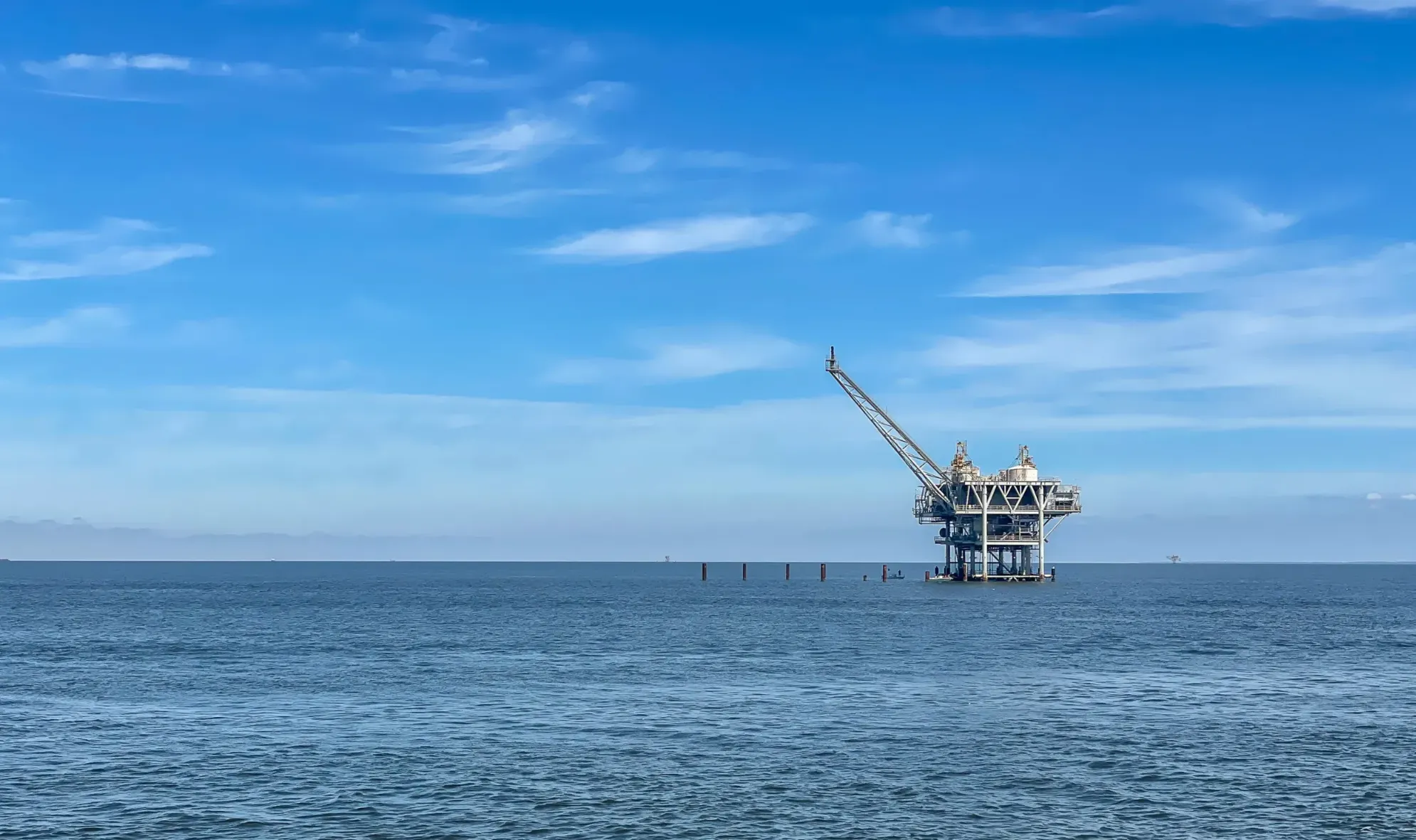
Most Common Oil Rig Job Titles in Houston
Houston serves as the epicenter of America’s oil and gas industry, employing thousands of workers who keep our nation’s energy sector running. Some of the most common oil rig job titles in Houston include roustabouts, floorhands, derrickhands, drillers, toolpushers, crane operators, and offshore supervisors.
From entry-level laborers to experienced managers, the range of oil rig positions available in the Houston area reflects the complexity and scale of modern petroleum extraction operations. Workers in these roles face unique challenges and hazards that demand both skill and constant vigilance.
Our Houston oilfield accident lawyers at Abraham, Watkins, Nichols, Agosto, Aziz & Stogner represent injured oil rig workers and their families when negligence causes serious harm.
Common Oil Rig Job Titles in Houston
The oil and gas industry offers a diverse array of career paths for workers at every experience level. Whether you work onshore or in offshore oil rig jobs, your position carries specific responsibilities and inherent risks. Our firm has represented workers from nearly every role in the industry, giving us firsthand knowledge of the dangers each position presents.
Entry-Level and General Labor
Workers begin their careers in oil field positions that require minimal prior experience but demand physical stamina and a willingness to learn. These roles form the backbone of daily rig operations:
- Roustabout: Performs general maintenance and manual labor tasks around the rig;
- Roughneck: Handles drilling pipe and assists with equipment operations on the rig floor;
- Floorhand: Works directly on the rig floor, supporting drilling crews;
- Leasehand: Maintains lease facilities and assists with various operational duties, and
- Motorhand: Operates and maintains engines and motors powering rig equipment.
Drilling Operations
Workers in drilling operations hold oil rig worker roles that directly involve the extraction process. These positions require technical training and strict adherence to safety protocols:
- Driller: Operates drilling equipment and supervises the drilling crew;
- Derrickhand: Works on the derrick platform, handling drilling pipe;
- Directional Driller: Guides the drill bit along planned directional paths;
- Mud Engineer: Monitors and adjusts drilling fluid properties for optimal performance, and
- Well Control Specialist: Manages pressure systems to prevent dangerous blowouts.
Maintenance and Technical
Technical oil rig occupations keep equipment operating safely and efficiently. These workers possess specialized skills that prevent mechanical failures and accidents:
- Mechanic: Repairs and maintains mechanical equipment throughout the rig;
- Electrician: Installs and services electrical systems and components;
- Welder: Performs welding repairs and fabrication work on rig structures;
- Crane Operator: Lifts and moves heavy materials and equipment safely, and
- Subsea Engineer: Maintains underwater equipment on offshore installations.
Specialized Roles
Some oil rig positions require advanced training and certifications. These professionals handle specific technical challenges that arise during oilfield operations:
- Geologist: Analyzes rock formations and advises on drilling decisions;
- Petroleum Engineer: Designs extraction methods and optimizes production;
- Safety Officer: Enforces safety regulations and conducts hazard assessments;
- Medic: Provides emergency medical care and health services to rig personnel, and
- Diving Specialist: Performs underwater inspections and repairs on offshore structures.
Management Oil Rig Job Titles in Houston
Leadership oil field positions carry responsibility for entire crews and operations.
- The Rig Manager: Oversees all aspects of rig operations and personnel management.
- The Toolpusher: Supervises drilling crews and coordinates daily activities on the rig floor.
- The Offshore Installation Manager: Holds ultimate authority for safety and operations on offshore platforms, making critical decisions that affect every worker aboard.
Accident Risks for Different Job Titles on Oil Rigs
Oil rig work is one of the most hazardous occupations in America. Under Texas Labor Code § 406.001, employers may elect to maintain workers’ compensation insurance or operate as non-subscribers, which affects how injured workers pursue compensation after a workplace injury.
Slip, Trip, and Falls
Wet, oily, and uneven rig surfaces pose ongoing fall hazards. Slips on slick decks or trips over equipment often lead to serious injuries such as fractures, traumatic brain injuries, and spinal cord damage.
Equipment Failures
Malfunctioning machinery causes devastating injuries when companies neglect proper maintenance. Defective blowout preventers, failed hoisting equipment, and broken safety devices have all contributed to serious worker injuries and fatalities.
Fires and Explosions
Oil rigs are particularly susceptible to catastrophic fires because of the presence of flammable gases and petroleum products. A single ignition near built-up hydrocarbons can cause explosions that kill workers and destroy entire platforms in minutes.
Blowouts
When pressure control systems fail, uncontrolled releases of oil, gas, and drilling fluids erupt from the wellbore. Blowouts represent some of the most dangerous events in the industry, causing severe burns, crush injuries, and drowning deaths.
Struck-By Incidents
Heavy equipment, swinging loads, and falling objects injure oil rig workers every year. Texas Civil Practice and Remedies Code § 95.003 may limit property owner liability when injuries arise from conditions created by contractors, depending on the facts of the case. These incidents often result in severe trauma, permanent disability, or loss of life.
Chemical Exposure
Every day, workers are exposed to hazardous chemicals, including hydrogen sulfide, benzene, and additives in drilling mud. Prolonged exposure causes respiratory diseases, neurological damage, and various cancers that may not manifest until years after exposure.
Transportation Accidents
Helicopter crashes, vessel collisions, and vehicle accidents injure workers traveling to and from offshore oil rig jobs. The remote locations of many rigs make transportation itself a significant hazard for employees.
Electrocution
High-voltage electrical systems power critical oil rig equipment and machinery. Defective wiring, damaged cables, and improper lockout/tagout procedures can expose workers to deadly electrical shock. Even a brief lapse in electrical safety can result in severe burns, cardiac injury, or death.
Pipeline Failure
Ruptured pipelines can release high-pressure fluids and gases, which can strike, burn, or suffocate nearby workers. Pipeline failures also pose secondary risks, including fires, explosions, and environmental contamination. These accidents can cause catastrophic injuries and long-term health risks for anyone in the vicinity.
Contact a Houston Oilfield Accident Lawyer
Have you or a loved one suffered injuries while working on an oil rig? Our Houston oilfield accident attorneys have over 75 years of combined experience helping injured workers pursue compensation after serious workplace accidents.
We understand how the duties associated with different oil rig job titles can expose workers to unique risks, and we help injured workers and their families explore their legal options when negligence causes harm.
Contact Abraham Watkins at (713) 222-7211 or complete our online contact form to schedule a free consultation with a Houston oilfield accident attorney who will review your case and explain your legal options.
