
713-222-7211 Call For A Free Consultation
Blog
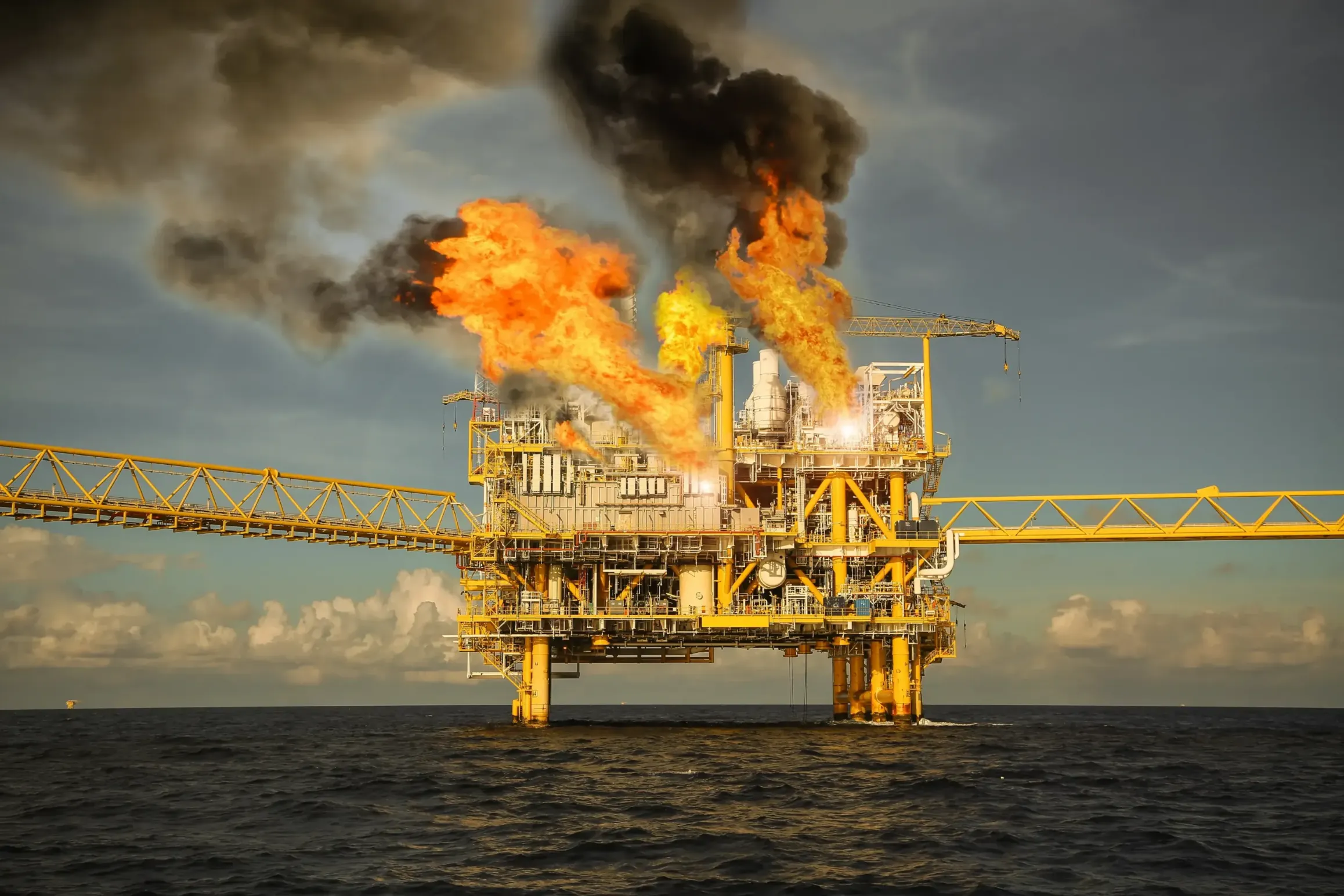
Oil Rig Workers Are Well Paid, But Are the Dangers Worth the Money?
The oil and gas industry has some of the highest-paying jobs available to workers without advanced degrees, attracting thousands of Texans to rigs across the Gulf Coast region each year. However, the impressive oil rig worker salary figures come with serious risks that every prospective employee must weigh carefully before accepting a position. Whether the dangers are worth the money often depends on the specific job role, work environment, and safety practices in place.
Our Houston oilfield accident lawyers at Abraham, Watkins, Nichols, Agosto, Aziz & Stogner represent oil rig workers who have been injured due to employer negligence and unsafe working conditions. Call (713) 222-7211 today.
High Pay and Rewards
Experience plays a significant role in determining how much an oil rig worker earns, as workers who have spent years developing their skills command substantially higher wages than new hires. Location also affects compensation. Offshore positions generally pay more than onshore jobs due to the added hardships of maritime work.
High-Paying Roles and Salaries
Oil rig worker salary amounts vary widely depending on job role, experience level, employer, and work location. Entry-level positions provide solid starting pay, while advanced technical and management roles may reach six-figure annual incomes. The following ranges reflect estimated base salary figures and may vary significantly based on overtime, rotation schedules, and market conditions:
- Roustabout: $35,000 to $50,000 annually;
- Roughneck: $45,000 to $65,000 annually;
- Driller: $70,000 to $100,000 annually;
- Derrickhand: $55,000 to $75,000 annually;
- Toolpusher: $90,000 to $130,000 annually;
- Rig Manager: $100,000 to $150,000 annually;
- Petroleum Engineer: $120,000 to $180,000 annually, and
- Offshore Installation Manager: $140,000 to $200,000 annually.
These salary ranges reflect base compensation and do not include overtime pay, which can add substantially to annual earnings. Many experienced workers report that their total compensation may exceed their base salary by 15-30% or more, including extra hours worked during busy periods.
Additional Rewards and Benefits
Beyond competitive base salaries, oil rig employers typically offer comprehensive benefits packages to attract and retain qualified workers. These additional rewards help offset some of the lifestyle sacrifices that rig work demands:
- Generous overtime pay rates;
- Extended leave periods between rotations;
- Health insurance coverage;
- Retirement contribution matching;
- Life insurance policies;
- Housing allowances for offshore workers;
- Travel expense reimbursement, and
- Training and certification programs.
Many workers appreciate the schedule structure that provides extended time off between rotations, allowing for longer vacations and family time. However, these benefits cannot fully compensate for the physical dangers and health risks that workers face during every shift on the rig.
Significant Dangers of Oil Rig Work
Oil rig employment consistently ranks among the most dangerous occupations in the United States. The Bureau of Labor Statistics and CDC reports that oil and gas extraction workers face fatality rates significantly higher than the national average for all industries.
Physical Hazards
Workers encounter numerous physical dangers throughout their shifts on oil rigs. Every physical hazard on an oil rig carries the potential for catastrophic injury or death:
- Heavy machinery and moving equipment
- Extreme heights on derricks and platforms
- High-pressure systems and pipelines
- Falling objects from overhead work
- Electrical hazards throughout the rig
- Fire and explosion risks
- Slippery surfaces and uneven footing
- Hazardous weather conditions
Health Risks
Long-term health consequences affect many oil rig workers who spend years exposed to hazardous conditions. Chronic illnesses often develop gradually and may not manifest until long after the exposure occurred:
- Hearing loss from constant loud machinery and equipment noise;
- Respiratory diseases from inhaling drilling fluids and chemical fumes;
- Musculoskeletal injuries from repetitive heavy lifting and physical strain;
- Skin conditions from contact with petroleum products and irritants;
- Cancer from exposure to benzene and other carcinogenic substances, and
- Cardiovascular problems due to prolonged stress and irregular schedules.
High Fatality Rate
The oil and gas extraction sector is among the most dangerous industries in the workforce, with death rates far exceeding those seen in most other jobs. When an oilfield worker is killed, surviving relatives are left to cope not only with profound loss but also sudden financial hardship.
Isolation and Mental Toll
Offshore oil rig workers frequently spend long stretches away from their families, placing heavy strain on their mental health. Isolation on remote platforms can lead to anxiety, depression, and strained relationships. Demanding schedules and hazardous conditions add constant stress to life away from loved ones.
Are the Dangers Worth the Money?
Only you can determine whether the financial rewards of oil rig work justify the risks involved. You must evaluate your personal circumstances, risk tolerance, and family responsibilities when making this decision:
- Personal calculation: Your age, health status, financial obligations, and career alternatives all factor into whether rig work makes sense for your situation.
- Risk mitigation: Seeking oil rig positions with safety-focused employers, pursuing additional training, and following all safety protocols can reduce but never eliminate the inherent dangers.
- Compensating factors: Schedule flexibility, advancement opportunities, and the potential for early retirement may be attractive despite the known hazards.
Ultimately, no amount of money can replace your health or compensate your family for your loss. Workers who choose this career path should ensure they have adequate life insurance, maintain detailed records of safety violations, and know their legal rights in the event of an injury.
Consult an Experienced Houston Oilfield Accident Lawyer From Abraham, Watkins, Nichols, Agosto, Aziz & Stogner
If you suffered injuries while working on an oil rig, you need an oilfield accident attorney who understands Texas workplace safety laws and the legal issues that arise in oilfield injury cases. Our firm has accumulated over 75 years of collective experience representing injured workers and their families throughout the Houston area. Because Texas law limits the time you have to file a personal injury claim, taking action sooner rather than later can help protect your right to pursue compensation.
We have recovered billions of dollars for our clients and continue fighting for the rights of those harmed by corporate negligence. Call (713) 222-7211 or reach out online to schedule your free consultation with a trusted Houston oilfield accident lawyer at Abraham Watkins today.
Abraham, Watkins, Nichols, Agosto, Aziz & Stogner
800 Commerce St, Houston, TX 77002, United States
