
713-222-7211 Call For A Free Consultation
Your Rights After a Maritime Injury: Legal Protections and Claims
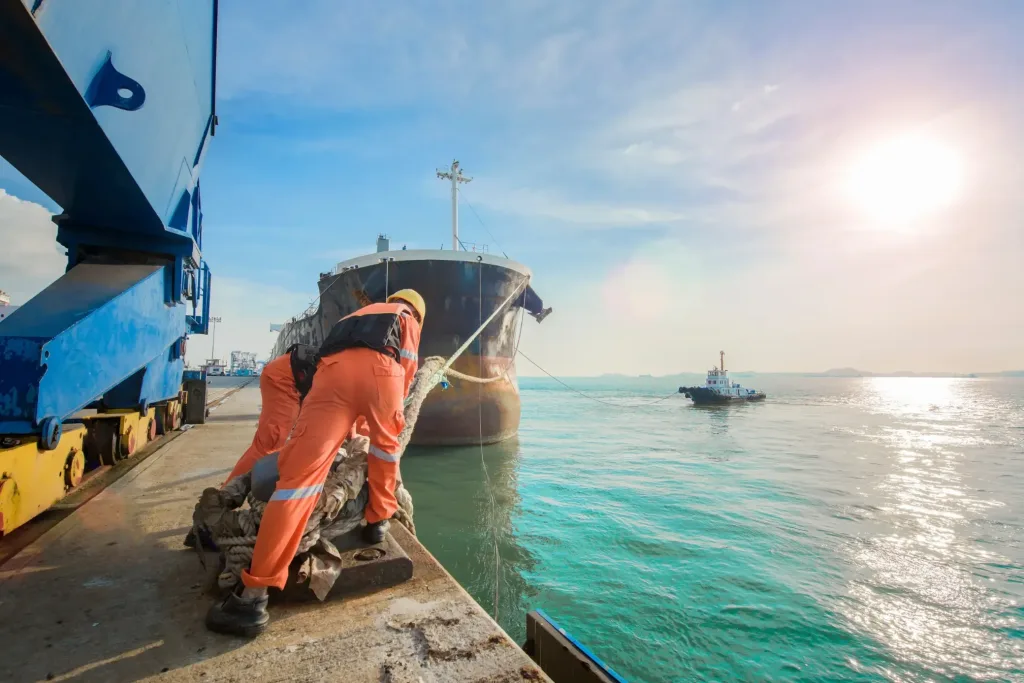
If you’ve been injured in a maritime accident, you may feel overwhelmed and uncertain about your next steps. It’s important to know that maritime workers are protected by laws designed to provide support and compensation. For example, if you’re a deckhand injured due to a slip on an unmarked wet surface or an engineer hurt by malfunctioning machinery, you have specific rights to seek compensation for medical expenses, lost wages, and more. This can feel daunting, especially when you’re coping with the physical pain and emotional distress that often accompany such accidents.
You don’t have to handle this alone. The experienced team at Abraham Watkins is here to fight for the justice and compensation you deserve. Call 713-222-7211for a free consultation. Your recovery is our priority.
Your Rights as an Injured Worker with Maritime Law
Maritime workers face unique risks — from dangerous weather to hazardous equipment. That’s why maritime laws like the Jones Act, General Maritime Law, and the Longshore and Harbor Workers’ Compensation Act exist: to protect you.
At Abraham Watkins, we know maritime law and how to navigate your injury claim. We’re here to help you recover what you’re owed.
The Role of The Jones Act in Protecting Injured Seamen
The Jones Act lets injured seamen sue employers for:
Medical bills
Lost wages
Pain and suffering
Whether you meet the definition of “seaman” is defined by the Act and is a required worker status in order to make a claim under the Act. Provided that you meet seaman status, to benefit from the Jones Act, you must prove that your injury was caused, wholly or in part, by your employer’s negligence. An example of such negligence could be the employer’s failure to provide proper safety equipment, such as life vests or harnesses, during a severe storm, resulting in a crew member being injured. This is where maritime lawyers like us at Abraham Watkins come in. We can help you establish your employer’s negligence and pursue a successful Jones Act claim in federal or state courts.
Longshore and Harbor Workers’ Compensation Act: Coverage for Non-Seafaring Maritime Employees
Not a seaman? The Longshore and Harbor Workers’ Compensation Act (LHWCA) protects you. It covers longshore and harbor workers with:
Medical care
Lost wages
Survivor benefits
Benefits under the LHWCA are comprehensive, including medical treatment, disability benefits, survivor benefits, funeral expenses, and vocational rehabilitation services. Attorneys like us at Abraham Watkins can guide you through this process, ensuring you receive the benefits you’re entitled to.
Death on the High Seas Act: Understanding Family Members’ Rights
The Death on the High Seas Act (DOHSA) lets families seek compensation for fatal accidents at sea — covering funeral costs, lost wages, and companionship.
Your compensation may be diminished if the deceased seaman’s behavior contributed to the incident. As experienced maritime attorneys at Abraham Watkins, we can help you with these complexities, ensuring you receive the compensation you deserve.
Steps to Take After a Maritime Accident
After a maritime accident, taking the right steps quickly is key to protecting your health and legal rights. Start by getting immediate medical care—either onboard or via the U.S. Coast Guard in serious cases.
Report your injury to your employer as soon as possible. For seamen under the Jones Act, that’s within 7 days; for others under the LHWCA, within 30 days. Prompt reporting supports your claim and speeds up medical care.
Also gather evidence: take photos of the accident scene, get witness statements, and save all medical records and expense receipts. Preserving this information early can make a major difference in your ability to recover full compensation.
Documenting Medical Care and Evidence
Keep detailed records of your treatment, symptoms, and costs—they’re crucial for your claim. Avoid disturbing the accident scene, and collect as much evidence as possible: photos, videos, hazard details, and any electronic data (like CCTV or radar). Witness accounts are just as important—capture them early and accurately.
Legal Representation in Maritime Injury Claims
Strong legal representation is essential in maritime injury cases. At Abraham Watkins, we conduct detailed investigations, gather key evidence, and interview witnesses to build a solid case. We navigate legal hurdles, meet critical deadlines, and protect our clients from unfair treatment by employers or insurers.
Employer Negligence and Vessel Unseaworthiness
Proving negligence or unseaworthiness is central to most maritime claims. A vessel may be deemed unseaworthy if it lacks safety equipment, has poor maintenance, or uses faulty procedures. Common causes include understaffing, unsafe conditions, or defective tools.
Negligence involves the failure to take reasonable steps to prevent harm—often shown by ignoring known safety practices. We help clients prove these elements to strengthen their claims and maximize compensation.
Maintenance and Cure Benefits
Injured maritime workers are entitled to maintenance and cure—covering basic living expenses and medical care until they reach maximum medical improvement. These benefits are no-fault, but disputes often arise over what qualifies as reasonable.
We’re experienced in handling these disputes and ensuring injured seamen receive the full support they’re entitled to under maritime law.
Recovery Beyond Traditional Workers’ Compensation Laws
Maritime injury law offers broader compensation than typical personal injury law, often involving unique statutes like the Outer Continental Shelf Lands Act and the Longshore and Harbor Workers’ Compensation Act. At Abraham Watkins, we apply deep experience in offshore and maritime cases to help injured workers recover what they’re owed.
Securing Maximum Compensation
We understand how maritime injuries can financially strain entire families. That’s why we fight to secure compensation for:
Medical expenses
Lost wages
Reduced future earning capacity
Pain and suffering
Other damages
Our track record includes multi-million dollar settlements and verdicts, and we’re skilled in countering insurance tactics designed to downplay injury claims.
The Emotional Toll of Maritime Accidents
Injuries at sea often come with lasting emotional and psychological impacts, including PTSD from traumatic events like explosions or collisions. Families may also face increased burdens and emotional stress.
At Abraham Watkins, we offer compassionate, informed support throughout your case—recognizing the full scope of what you’re going through.
Dealing with Insurance Companies
Insurance companies often try to settle quickly and for less than what a claim is worth. Don’t give a recorded statement or your full Social Security number before speaking to an attorney.
Our trial lawyers routinely secure settlements and verdicts that surpass initial offers, using our negotiation strength and legal insight to pursue fair outcomes.
Navigating State and Federal Courts
Maritime injury cases may be tried in either state or federal court. Though federal law governs most maritime claims, strategic considerations—such as jury composition and procedural differences—can affect where to file.
We’re equipped to handle complex jurisdictional issues and will guide you in filing your case where it stands the strongest chance of success.
Contact Our Personal Injury Lawyers at Abraham Watkins Today For Help
At Abraham Watkins, our attorneys are recognized by leading legal organizations—including the American Board of Trial Advocates, National Trial Lawyers, Million Dollar Advocates Forum, Best Lawyers, and Super Lawyers—for securing multi-million dollar verdicts and settlements. With over 75 years of experience, we thoroughly evaluate each case, identify negligence, and develop tailored strategies to maximize your financial recovery.
We represent maritime injury clients across Houston, Galveston, and the Gulf Coast. Our deep knowledge of admiralty law allows us to handle cases in both state and federal courts, pursuing compensation for medical expenses, lost wages, and non-economic damages such as emotional distress, pain and suffering, and disfigurement.
If you’ve been affected by a maritime accident, reach out to Abraham Watkins for guidance. Contact us at 713-222-7211 for support with your claim. We’re dedicated to helping you obtain the compensation you need and will navigate you through the legal process.
Frequently Asked Questions
What is a maritime injury?
A maritime injury refers to harm suffered by a worker on a vessel operating on U.S. navigable waters. Unlike land-based employees, maritime workers aren’t covered by standard workers’ compensation but instead have access to specialized legal remedies.
What unique protections do maritime laws provide for injured workers?
Maritime laws provide injured workers the right to claim medical expenses, lost wages, and compensation for pain and suffering. These protections are designed specifically for the risks faced by maritime employees.
What should I do immediately after a maritime accident?
Seek medical attention immediately. Report the injury to your employer promptly, and gather key evidence—photos of the scene, witness statements, and all related medical and expense records.
What is the statute of limitations for maritime personal injury claims?
You have three years from the date of the injury—or when it was discovered—to file a maritime personal injury claim under U.S. law.

Request A
Free Consultation
Fields Marked With An “*” Are Required