
713-222-7211 Call For A Free Consultation
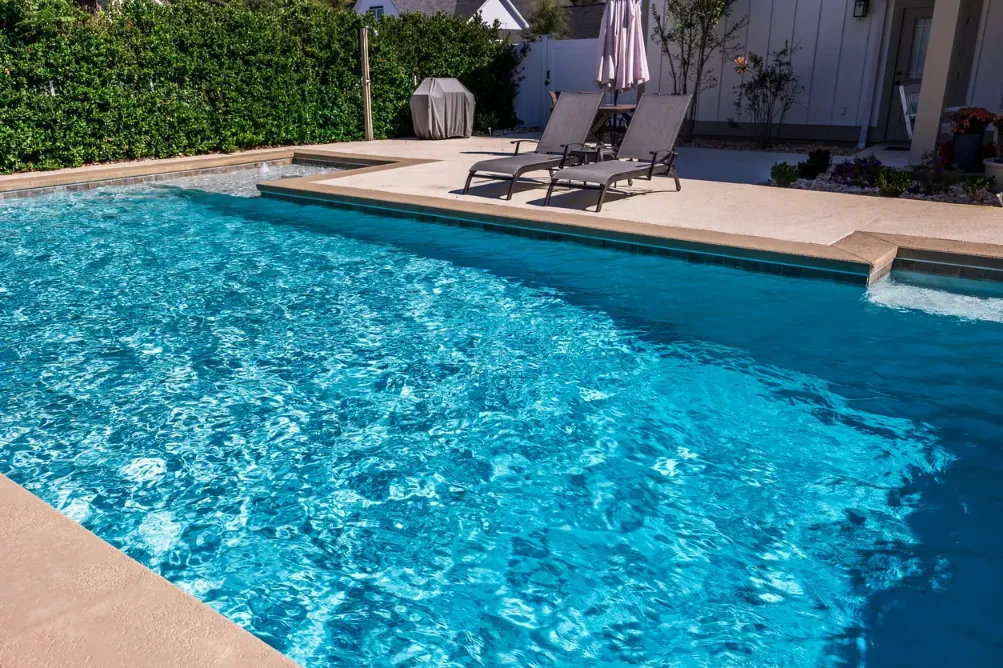
As a property owner in Austin, Texas, you carry the responsibility of ensuring the safety of swimming pools and natural water features on your premises. With drowning incidents remaining a serious concern, taking proactive measures—from physical barriers to emergency preparedness—can help prevent tragedies and reduce liability risks.
In this guide, we outline the legal obligations, key safety measures, maintenance routines, and educational initiatives that property owners should implement. These steps not only protect lives but also demonstrate a commitment to creating a secure environment.
Legal Responsibilities and Liabilities
Austin property owners must adhere to local safety standards designed to prevent accidental drownings. Whether the hazard is a swimming pool, lakefront, or another water feature, the law may assign responsibility to the owner, property manager, or even a manufacturer if defective equipment is involved.
A thorough investigation is necessary when a drowning incident occurs. This includes reviewing safety installations, maintenance records, and witness statements. Evidence of negligence—such as the lack of secure barriers, insufficient safety devices, or inadequate supervision—can form the basis for legal action. Establishing liability in these cases is essential for ensuring that the responsible party meets their duty to protect residents and visitors.
Essential Safety Measures for Water Features
Securing Swimming Pools
Effective protection begins with robust physical measures. Property owners should:
Install Barriers: Fences surrounding pools must be at least four feet high, with self-closing, self-latching gates that are out of reach for small children.
Use Alarm Systems: Pool alarms, including those attached to entry points, serve as a warning system to detect unauthorized access.
Enforce Supervision: Designate a responsible individual—whether a water watcher or lifeguard—to monitor the pool area at all times.
Maintain Regular Inspections: Conduct routine checks to ensure that the pool’s structure and safety systems remain in proper working order.
Provide Safety Equipment: Life jackets, rescue devices, and accessible first aid kits are essential components of any safety plan.
Educate Users: Inform residents and guests about water safety practices and swimming skills to enhance overall vigilance.
Enhancing Safety Around Natural Water Bodies
For properties that include lakes, rivers, or other natural water bodies, safety measures differ slightly:
Fencing and Gates: Secure natural water access points with durable fences that are at least four feet high. Gates should be self-closing and latched securely, preventing unsupervised entry.
Additional Security: Locks, motion sensors, and alarm systems provide extra layers of protection. Regularly check these devices to ensure proper operation.
Surveillance and Lighting: Installing cameras and ensuring well-lit access points can deter unauthorized entry and aid in monitoring the area.
Dock and Pier Safety: For properties with docks, adhere to strict construction guidelines and maintenance routines that address potential hazards unique to these structures.
Implementing these safety measures is a proactive way to safeguard against accidents and demonstrates a commitment to preventing avoidable tragedies.
Maintenance and Safety Audits
Routine Maintenance
Preventive maintenance is critical in avoiding minor issues that might escalate into life-threatening hazards. For swimming pools, this means regular cleaning, maintaining chemical balance, and ensuring that all equipment (from filtration systems to pool covers) functions correctly. Natural water structures such as docks also require periodic inspections to confirm that they meet safety standards.
Comprehensive Safety Audits
Conducting regular safety audits allows property owners to identify and address potential risks before they become serious. A complete audit should include the following:
Fencing and Gates: Verify that barriers are intact, gates are self-closing, and latches are secure.
Alarm and Security Systems: Test alarms, motion sensors, and surveillance equipment to ensure reliable operation.
Safety Equipment: Check the condition and accessibility of life-saving gear and first aid supplies.
Structural Integrity: Inspect pool covers, drains, and dock constructions for wear and tear.
Water Quality: Confirm that the chemical balance is maintained, and that filtration systems are working efficiently.
Lighting: Ensure that areas around pools and waterfronts are adequately lit, particularly for nighttime use.
Emergency Protocols: Review emergency response plans and update them regularly, including training on CPR and first aid.
Documenting every audit and subsequent corrective action not only helps maintain a safe environment but also serves as evidence of due diligence in the event of an incident.
Training, Certification, and Education
Safety Training and Certifications
Investing in proper training can greatly reduce the risk of drowning incidents. Several certification programs and training courses are available for those responsible for water safety on their property:
Certified Pool Operator (CPO) Certification: This program offers in-depth training on pool operations, water chemistry, and safety standards.
Lifeguard Training: Courses provided by organizations such as the American Red Cross or local community centers cover CPR, first aid, and water rescue techniques.
Water Safety Instructor Programs: These courses empower individuals to teach swimming and water safety skills, which is vital for reducing risks in and around water features.
CPR and First Aid Certification: Ensuring that multiple household members are trained in emergency response can make a critical difference during an incident.
Educating Residents and Guests
Education plays a crucial role in prevention. Teaching children water skills, safety rules, and the importance of constant supervision is key. Adults must also understand the hazards associated with open water—such as strong currents, cold temperatures, and sudden depth changes—and enforce safety rules consistently. By promoting water safety education, property owners can significantly reduce the risk of accidents.
Emergency Preparedness and Technological Innovations
Developing an Emergency Plan
An effective emergency plan should define clear roles, responsibilities, and communication channels for handling drowning incidents. This plan should include:
Response Protocols: Detailed procedures for initiating rescue operations and calling emergency services.
Training Drills: Regular practice sessions for all residents and staff to ensure readiness in the event of an emergency.
Clear Documentation: Up-to-date emergency contact lists and a written plan available to everyone on the property.
Leveraging Technology
Modern technology can enhance safety through continuous monitoring and rapid response. Sensor-based drowning detection systems and surveillance cameras are now available that use advanced algorithms to track unusual activity and alert property owners. These systems, which can even monitor vital signs and movement patterns, are emerging as practical tools to prevent drowning incidents when used in conjunction with human oversight.
Addressing Common Drowning Hazards
Understanding the primary causes of drowning can guide effective prevention strategies. Some of the most common hazards include:
Unsecured Pools: Failing to install proper barriers or alarms significantly increases the risk of accidental drownings.
Hazardous Natural Waters: Lakes and rivers can be unpredictable, and risks such as strong currents or abrupt depth changes require special precautions.
Standing Water: Even small accumulations of water can be dangerous for young children if not addressed.
Inadequate Supervision: The absence of a designated monitor or lifeguard often contributes to drowning accidents.
Alcohol Impairment: Consuming alcohol near water decreases awareness and coordination, heightening the risk of accidents.
Preventative actions—such as securing water features, educating about hazards, and enforcing strict supervision—can help mitigate these risks and create a safer environment for all.
The Role of Liability Insurance
Homeowners should also consider the importance of liability insurance as a part of their risk management strategy. Adequate coverage, including umbrella policies, can help mitigate the financial repercussions if an incident occurs due to negligence. Liability insurance provides reassurance that, even if an accident happens, the financial burdens will be shared appropriately, reinforcing the importance of preventive measures.
How Abraham Watkins Can Help You
If you or a loved one has experienced a drowning accident, Abraham Watkins is here to assist you in holding the property owner accountable for their negligence. Our team of experienced attorneys has handled many drowning accident cases and understands the complexities involved in proving liability. We will conduct a thorough investigation of the incident, examining all safety measures, maintenance records, and witness statements to build a strong case on your behalf.
The tips and information provided above are essential for preventing drowning accidents, but if an accident does occur, our priority is to ensure justice is served. We will work tirelessly to uncover any negligence on the part of the property owner, such as failure to install proper barriers, lack of safety equipment, or inadequate supervision. By holding negligent property owners accountable, we aim to secure the compensation you deserve for medical expenses, pain and suffering, and other damages.
Don’t wait to take action. Call Abraham Watkins at 713-222-7211 today for a free consultation. Let us help you pursue justice and ensure that negligent property owners are held responsible for their actions.

Request A
Free Consultation
Fields Marked With An “*” Are Required