
713-222-7211 Call For A Free Consultation
Every day, firefighters put their lives in danger to safeguard our communities, frequently in dangerous situations. One such risk is Aqueous Film Forming Foam (AFFF), which is commonly used in firefighting and has hazardous components that have been connected to serious health problems. Due to its common usage and recorded health issues that firefighters have suffered as a result, an AFFF lawsuit is common for those seeking compensation for their damages.
Abraham, Watkins, Nichols, Agosto, Aziz & Stogner intends to educate and support Houston-area firefighters who have been exposed to AFFF by providing them with legal advice and rights protection.

What Is Aqueous Film Forming Foam (AFFF)?
A fire suppressant called Aqueous Film Forming Foam, or AFFF, is widely employed in extinguishing fires, particularly fuel fires. Firefighting foam is highly valued for its capacity to rapidly put out flammable liquid fires by obstructing the flames’ oxygen supply by building a barrier. Per- and polyfluoroalkyl compounds (PFAS), such as PFOA and PFOS, are found in AFFF. While PFAS are very useful in suppressing fires, their enduring presence in the environment and human body presents serious health hazards.
Health Risks Associated With AFFF
PFAS, a class of synthetic compounds with exceptional resistance to heat, water, and oil, are present in AFFF. Although this helps them fight fires effectively, it also means that they are very enduring in both the environment and human tissues, which is why they are known as “forever chemicals.” These chemicals, while effective in fighting fires, can also interfere with our hormonal and reproductive systems. They have also been known to increase and cause the development of certain cancers.
The following are the main health hazards linked to AFFF exposure:
- Cancers: Studies have shown a strong link between exposure to AFFF and the development of certain cancers. Two of the main cancers for which AFFF poses a risk are kidney cancer and testicular cancer.
- Liver Issues: Damage to the liver can occur when PFAS accumulates there. This can cause long term damage and even liver failure, negatively affecting the liver over time.
- Damage to the Immune System: Exposure to AFFF can result in a weakened immune system, which decreases your ability to fight infection and diseases.
- Decreased Fertility: PFAS can have a deleterious effect on fertility in both men and women, which may result in problems with reproduction.
- Thyroid Disease: Thyroid disorders, such as hyperthyroidism and hypothyroidism, are associated with PFAS exposure and impact metabolism and general health.
- Hormonal Changes: PFAS may disrupt the endocrine system, resulting in hormonal abnormalities that may impact several body systems.
Injuries Caused by AFFF
In addition to long-term health risks, exposure to AFFF can result in specific injuries and conditions, particularly among firefighters who encounter these substances regularly. When people suffer these injuries, they often seek compensation in an AFFF lawsuit. These injuries include:
- Issues with the Respiratory System: When combating fires, breathing in AFFF fumes can lead to respiratory issues such as bronchitis, asthma, and persistent cough.
- Skin Disorders: Skin irritation, rashes, and dermatitis can result from direct contact with AFFF, particularly after extended exposure.
- Gastrointestinal Issues: Gastrointestinal distress, including nausea, vomiting, and diarrhea, can be brought on by consuming tainted water or food.
- Impact on the Nerves: Chronic PFAS exposure has been connected to neurological problems such as headaches, lightheadedness, and cognitive decline.
- Heart-Related Problems: Research points to a possible link between PFAS exposure and heart disease and other cardiovascular issues, such as hypertension.
- Child Developmental Delays: Exposure of pregnant women to per- and polyfluoroalkyl substances (PFAS) might affect the developing fetus, perhaps resulting in developmental delays and other health problems.
 Ways to Be Exposed to AFFF
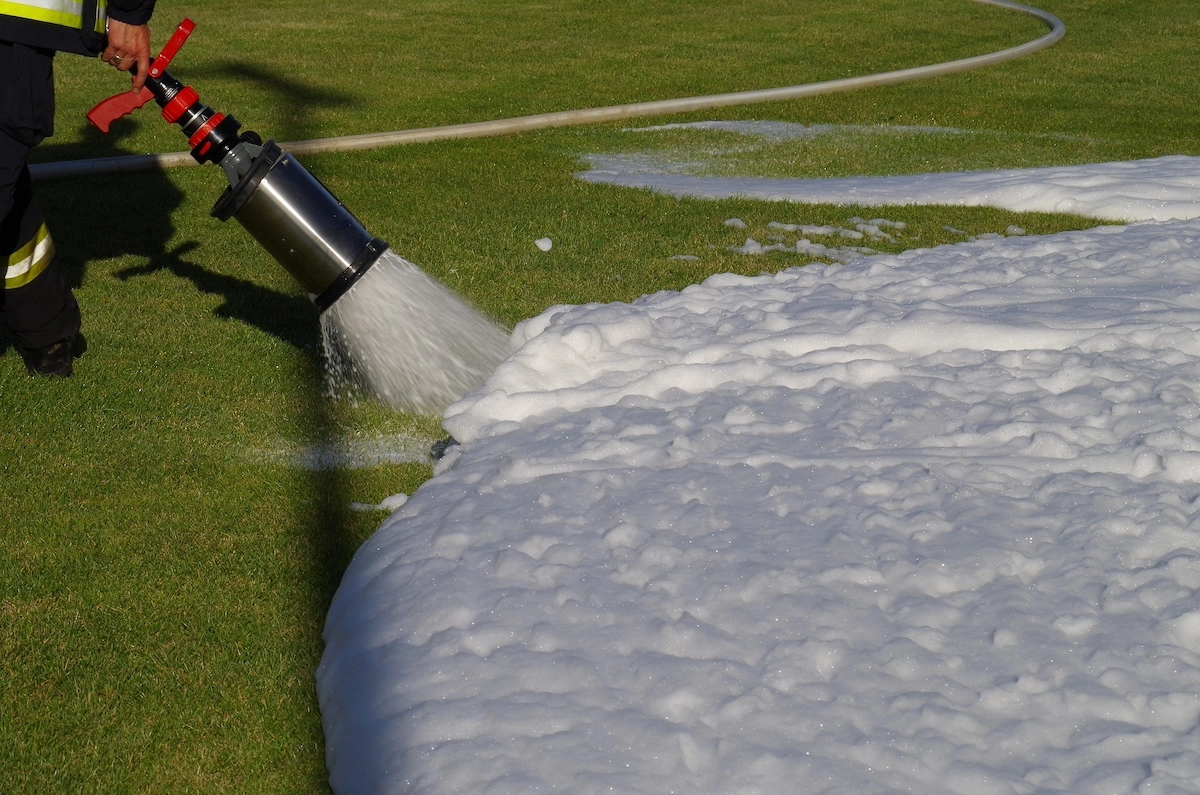
Because they are directly involved in combating fires, firefighters and other emergency response personnel are more likely to be exposed to AFFF. When handling or spraying AFFF foam to put out flammable liquid flames, they may come into direct contact with it during training exercises or real fire suppression actions.
Accidental spills or firefighting drills may release AFFF into the air. The foam may cause contamination if it gets into rivers, lakes, or groundwater. Inhaling contaminated air or drinking contaminated water might expose residents living close to firefighting training facilities or regions where AFFF has been deployed to harmful chemicals.
Individuals who live close to fires where AFFF is used may also be exposed. Bystanders, adjacent neighbors, and employees of businesses situated close to fire occurrences are all included in this. There is a chance that inhaled particles or contaminated runoff from the deployment of AFFF during fire suppression will come into contact with human skin.
Firefighters can be exposed through the following ways:
- Direct Contact with the Skin: When firefighters are handling fires or cleaning equipment, their skin can come into contact with AFFS either directly or through residuals.
- Through Inhalation: When AFFF is used, especially in small areas, firefighters may breathe in PFAS-containing vapors and aerosols. Conditions with inadequate ventilation increase this danger. Exposure to airborne particles and vapors can occur from regular training exercises employing AFFF.
- Ingesting: If firefighters drink or eat food that has been polluted by AFFF runoff, they may swallow PFAS. This can happen at fire scenes or in locations where nearby water supplies have been contaminated by training exercises. Additionally, firefighters run the risk of unintentionally ingesting the chemicals if they handle AFFF and then touch their faces or eat without thoroughly washing their hands.
- Contamination from Other Objects: Long-term exposure might result from AFFF residues sticking to firefighters’ equipment and clothes. When the equipment is handled or removed, contaminants may come into contact with the skin and be breathed in as dust. The presence of AFFF residues in fire stations might cause ongoing low-level exposure by contaminating living quarters and communal areas.
- Contaminated Objects: Equipment and vehicles used in firefighting that has come into touch with AFFF may contain residues. Use and maintenance of this equipment on a regular basis may result in repeated exposure. There may be continuous exposure concerns if insufficient cleaning measures are taken to eradicate all residues of AFFF.
In order to help prevent these exposures from happening, firefighters can wear protective gear, regularly decontaminate products, implement proper and thorough training and safety measures, and conduct regular health screenings for firefighters.
Legal Obligations in an AFFF Lawsuit
With over 8,000 cases, many forms of litigation at the moment concern allegations of PFAS contamination brought on by firefighting foam. These “aqueous film-forming foam” (AFFF) cases have been consolidated into “multidistrict litigation” in the United States District Court for the District of South Carolina because there are so many of them—and more are anticipated.
A method of handling litigation in situations when numerous cases have comparable facts and injuries is known as multidistrict litigation (MDL). All eligible cases are assigned to a single federal trial court located in South Carolina so that a single judge may oversee pretrial proceedings such as motions, discovery, and trial preparation.
Within the majority of MDLs, the court will also hold one or more “bellwether trials.” Selected representative cases are tried before a jury or the court. In the hopes that they would settle without going to trial, the intention is to provide the parties and their attorneys with a better understanding of how the remaining cases will go.
Many of these lawsuits that have been filed across the country by those affected by AFFF exposure focus on the following:
- Negligence: The assertion that producers should have known or were aware of the dangers connected to AFFF but chose not to alert consumers.
- Product Liability: Bringing producers and sellers accountable for creating and marketing a hazardous product.
- Environmental Damage: Resolving the PFAS chemical contamination of soil and water sources.
Damages You Can Recover in an AFFF Lawsuit
The amount of compensation you can receive in an AFFF lawsuit will depend on the details surrounding your case. Some of these details include:
- The amount of exposure you had to AFFF
- Your prognosis
- The severity of your injuries
- Any illnesses you contracted as a result and how serious they are
- How much pain and suffering you went through (and may still be going through)
- Any lost earning potential you experienced due to a disability incurred as a result of the exposure
Most damages that victims seek are payments for medical care and pain and suffering.
Previous and future medical care resulting from exposure to AFFF can mean many expensive medical bills, which can be compensated. You can seek compensation for the cost of any prescription drugs, hospital stays, surgeries, doctor visits, diagnostic testing, and other treatments required to address the health problems brought on by AFFF exposure. This also includes the price of any future specialist treatments or therapies you may require, as well as the expense of continuous medical care and rehabilitation.
You are entitled to reimbursement for pain and suffering in addition to medical costs. Damages for pain and suffering make up for any ongoing discomfort, chronic agony, and any restrictions on everyday activities. This also includes the psychological toll that comes with managing a serious health condition, such as worry, depression, and diminished quality of life.
These damages are more arbitrary and can differ significantly based on how severe your symptoms are and how they affect your daily life. You can seek just recompense through an AFFF lawsuit, which can assist in easing the financial burden of your medical bills and offer some amount of comfort for the agony and suffering you have gone through.
Evidence in an AFFF Lawsuit
A firefighting foam lawyer should be consulted before filing an AFFF lawsuit. Then, the case must be investigated, guilty parties must be found, negotiations must take place, and a just settlement must be reached.
Eligibility for AFFF firefighting foam claims is contingent upon a number of variables and unique situations. To find out if you are eligible for a firefighting case, you should speak with knowledgeable attorneys who focus on firefighting foam claims. You could get legal advice regarding whether you can file a claim.
Proving Exposure to AFFF
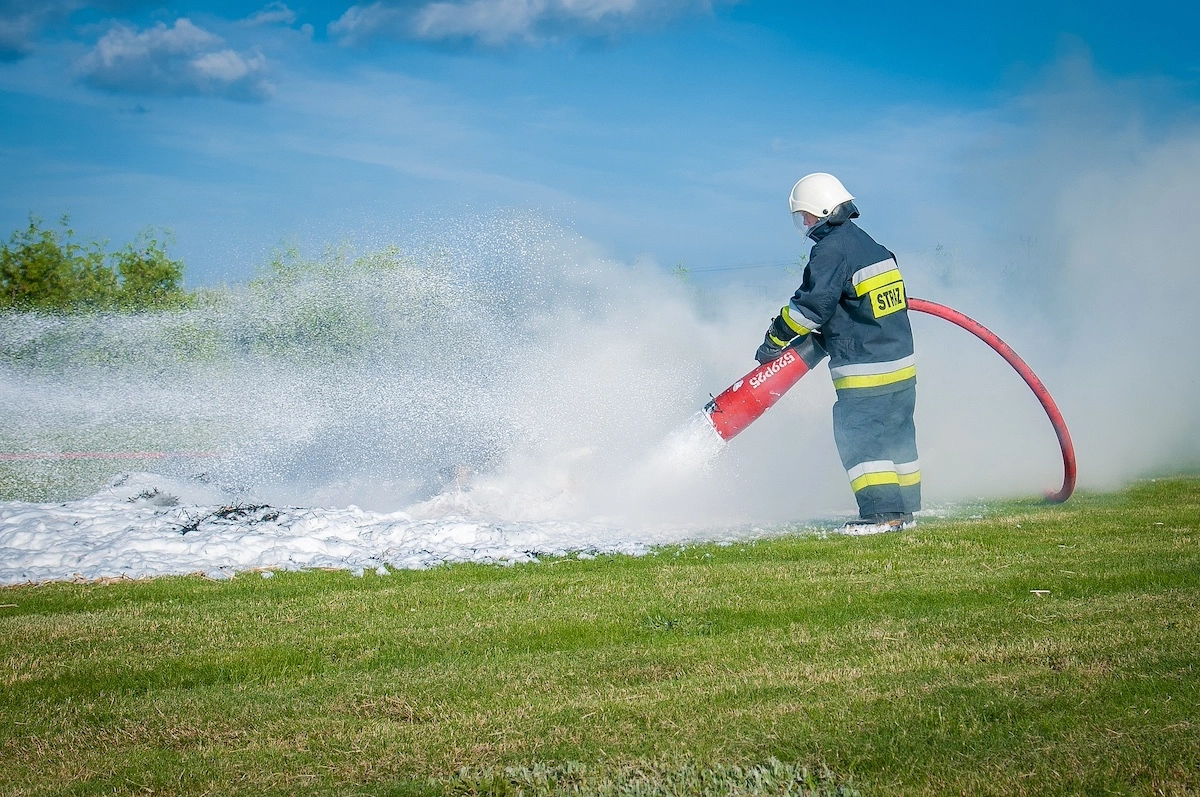
You must provide proof that you were exposed to aqueous film-forming foam (AFFF) in order to bring an AFFF foam cancer claim. You can do this by obtaining employment records from your time spent working there. This is crucial if you operate in an area where firefighting foam is present. These documents will be essential proof of your work-related exposure to AFFF.
Proving Sickness or Injury From Exposure
A large body of data indicates that cancer, as well as other illnesses, is caused by exposure to PFAS. Therefore, it’s important to collect medical records if you have cancer after being exposed to AFFF firefighting foam. These documents will help prove the link between the disease’s incidence and your exposure.
You can bring documents from your doctor showing your diagnosis, your prognosis, or your injuries. A medical professional can give statements on the severity and extent of your situation. You can also gather proof of medical expenses that you have had to pay as a result of the injuries caused by your exposure.
Proving Liability in AFFF Lawsuit
When filing an AFFF lawsuit, it is vital to establish liability. Many manufacturers may be held liable due to their involvement in the production of AFFF. When proving liability, the following must be shown:
- Negligence: Demonstrating negligence is a frequent legal basis for holding the defendants accountable in an AFFF claim. This entails proving that the defendants—such as producers of chemicals or fire departments—did not take adequate precautions. For instance, they may have been negligent in using, handling, and alerting others about the risks associated with AFFF.
- Breach of Duty: You’ll have to demonstrate that the defendants violated the duty of care they owed you as a user or person who was in contact with AFFF. Moreover, this breach may involve a number of different things, like insufficient testing, omission of a warning about possible health concerns, or inappropriate handling or disposal procedures.
- Causal Relationship: It is imperative to establish a causal relationship between your injuries and the defendant’s actions or omissions. Thus, it is crucial to demonstrate that the defendant’s carelessness was the direct cause of your AFFF exposure and any ensuing injuries.
- Damages: You must provide evidence of your losses resulting from the AFFF exposure in order to establish culpability. Financial data, expert views, medical records, and other pertinent information can be used to support your claims.
How to File an AFFF Lawsuit
It’s critical to know the legal procedure before bringing an AFFF lawsuit for firefighting foam claims. The crucial actions are as follows:
- Speak with a Foam Firefighting Attorney: To begin with, consult with an attorney who handles AFFF exposure matters. They will offer legal advice and assist in determining how strong your claim is.
- Acquiring Evidence: Together, you and your lawyer will collect the necessary proof to back up your claims. This may contain the medical records that attest to your wounds. Expert reports, witness accounts, and any other pertinent paperwork that shows a connection between your injuries and exposure to AFFF will also be gathered by your attorney.
- Draft the Complaint: A complaint is a legal document that your attorney will create outlining the specifics of your case. In addition, the complaint will contain detailed information regarding your injuries, the defendant’s carelessness or dereliction of duty, and the precise amount of damages you are requesting be paid.
- File the Complaint: When the complaint is ready, your lawyer will submit it to the relevant court. This starts the legal process officially. The court will then designate a case number and set a schedule for the next court dates.
- Serving the Accused: To formally notify the defendants of the case, the complaint must be served to them. Usually, a process server or certified mail is used for this. There will be a deadline for the defendants to answer to the complaint.
- Trial or Settlement Negotiations: There could be chances for settlement talks between your lawyer and the defendant’s representatives during the legal process. If a just and equitable settlement cannot be reached, the case may go to trial. Both sides will present their cases during the trial, and the verdict will be decided by the jury or the judge.
How an AFFF Lawsuit Lawyer Can Help
In numerous important ways, an AFFF lawsuit attorney may offer firefighters harmed by exposure to Aqueous Film Forming Foam (AFFF) priceless support. Above all, they can assist firefighters in navigating the legal system to pursue damages for lost wages and emotional distress brought on by their exposure to AFFF. These attorneys are knowledgeable about the particular health concerns connected to AFFF and have expertise in managing cases involving toxic chemical exposure.
To create a compelling case, they might compile important information such as medical records, expert testimony, and records of exposure incidents. They are also able to identify any parties who may be held accountable.
An AFFF attorney makes sure that their clients’ rights are upheld and that they are fairly compensated for their hardships and injuries. In addition to lessening the financial burden of medical expenses, this support offers some sense of justice for the pain and suffering these courageous people had to undergo.
Contact an AFFF Lawsuit Lawyer in Houston Today
Don’t hesitate to contact Abraham, Watkins, Nichols, Agosto, Aziz & Stogner today if you or a loved one is a firefighter who has been exposed to AFFF. Speak with one of our attorneys to go over your case and your legal options. With our assistance, you can work toward the reimbursement you are due for your medical costs, as well as your suffering.

Request A
Free Consultation
Fields Marked With An “*” Are Required