
- About Us
- Attorneys
- Benny Agosto, Jr.
- Muhammad S. Aziz
- Brant J. Stogner
- Jennifer O. Stogner
- Karl P. Long
- Lena B. Laurenzo
- Anita J. Creech
- Barney P. Dill
- Ben Agosto III
- Brandy Wingate Voss
- Caroline Rains
- Christopher D. Mahfouz
- Clark A. Samuelson, Jr.
- Disha Roy
- Edward P. “Ted” Keenan
- Hailey L. Hutson
- Imrana L. Manzanares
- Jessie J. Ormand
- Jonathan D. Agosto
- Jonathan D. Sneed
- John Henry Wilson
- Jordi A. Vargas
- Kaitlin Ong
- Kayla A. Haynes
- Kimberley M. Spurlock
- Major Pirtle
- Mohammad J. Lahham
- Morgan F. Mills
- Nancy Flores
- Nixit M. Dharia
- Soroush Montazari
- Spencer T. Speed
- Tad Rice
- Victoria N. Haddad
- William N. Farmer
- Zachary F. Tohen
- Nick C. Nichols
- Resources
- Practice Areas
- Victories
- Testimonials
- Contact
713-222-7211 Call For A Free Consultation
What Is a Personal Injury Claim?
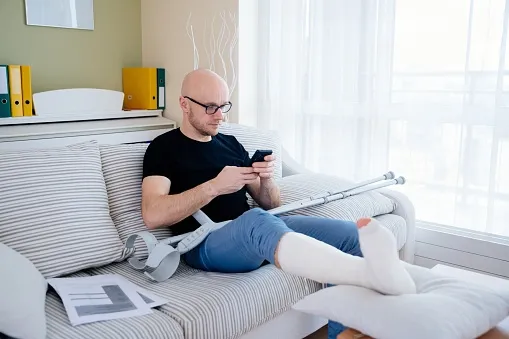 A personal injury claim arises when an individual suffers physical injuries due to the negligence or intentional actions of another party. These claims can result from various incidents, such as car accidents, 18-wheeler accidents, defective products, slip-and-fall cases, and more. Unlike criminal cases, personal injury lawsuits are civil matters aimed at compensating the injured party rather than punishing the wrongdoer.
Examples of injuries that may lead to a claim include broken bones, burns, and spinal cord injuries. Compensation typically covers medical expenses, lost wages, pain and suffering, and other losses resulting from the accident. Pursuing a claim allows victims to hold the responsible party accountable and obtain the necessary resources for recovery.
The Scope of Personal Injury Law
Personal injury law covers a wide range of scenarios where victims can seek compensation for their injuries. This area of law is based on negligence, meaning the defendant failed to exercise reasonable care, resulting in harm to the plaintiff. Liability, or legal responsibility, is a critical element in these cases, as it determines who should be held accountable for the damages.
Compensation can be secured through litigation or out-of-court settlements with the defendant or their insurance company. The goal is to provide financial restitution for the physical injuries sustained by the plaintiff. Common incidents include car accidents, defective products, and wrongful death claims.
Identifying Damages in Personal Injury Cases
Damages in personal injury cases refer to the financial compensation awarded to the injured party for their losses. These damages are categorized into three main types: economic, non-economic, and punitive. Each type serves a distinct purpose in the compensation process.
Economic Damages: Calculating Tangible Losses
Economic damages cover actual financial losses, such as medical bills, lost wages, and damages. These are relatively straightforward to calculate, as they involve aggregating monetary expenses related to the injury, including ongoing and future medical costs. Lost wages and earning capacity are also common forms of economic losses, with courts determining their value based on evidence provided by the plaintiff.
Non-Economic Damages: Valuing Intangible Effects
Non-economic damages compensate for losses that do not have a direct monetary value but significantly impact the injured person’s quality of life. Examples include emotional suffering, mental anguish, pain and suffering, and permanent disfigurement. These damages are more challenging to quantify, as they involve assigning a monetary value to intangible effects.
Punitive Damages: Addressing Egregious Conduct
Punitive damages are awarded in cases where the defendant’s actions were particularly reckless or egregious. These damages serve as a form of retribution and aim to deter similar behavior in the future. Courts consider various factors when determining punitive damages, and the amounts awarded can vary significantly across states.
The Role of Liability and Negligence
Establishing liability and proving negligence are central to personal injury claims. Liability refers to the legal responsibility of a person or entity for the injuries or damages caused, while negligence involves the failure to exercise reasonable care, resulting in harm to another person.
In some cases, the injured party may be partially at fault for the accident, which could affect their ability to recover damages. A modified comparative negligence rule may apply, reducing the compensation based on the plaintiff’s share of liability. In certain situations, strict liability may also play a role in determining responsibility.
The Statute of Limitations
The statute of limitations is the legal time limit for filing a lawsuit. This period typically begins when the plaintiff sustains an injury or becomes aware of it. The time frame varies depending on the jurisdiction and the type of case, but it is crucial to be aware of this constraint when pursuing a claim.
Failing to file within the statute of limitations can bar you from seeking compensation, even if you have a strong case. Consulting with a legal professional can help you understand the specific time limits applicable to your situation and ensure timely action.
The Journey of a Personal Injury Lawsuit
A personal injury claim involves several steps, including filing the initial claim, gathering evidence, negotiating with insurance companies, and preparing for trial if necessary. The process can be intricate and lengthy, but understanding the steps involved can help you navigate the legal system effectively.
Key stages include engaging a legal representative, conducting investigations, issuing a settlement demand, filing the lawsuit, pretrial proceedings, trial, and post-trial proceedings. The duration of a lawsuit varies depending on the complexity of the case and the extent of damages, ranging from a few months to several years.
Why Partner with Abraham Watkins?
Partnering with a skilled legal team can provide significant support and direction throughout the legal process. From understanding the complexities of personal injury law to ensuring your rights are protected, Abraham Watkins is committed to helping you achieve a successful resolution.
No Recovery, No Fee Representation
Abraham Watkins operates on a “No Recovery, No Fee” basis, meaning clients are only charged legal fees if a verdict or settlement is secured. This approach removes the financial burden of upfront costs and aligns our interests with those of our clients, as we only succeed when they do.
Board Certification: A Mark of Excellence
All partners at Abraham Watkins are board-certified, demonstrating a high level of legal proficiency. This certification ensures a thorough understanding of personal injury laws, strong negotiation capabilities, and a commitment to ethical representation.
Tailored Approach to Each Case
We recognize that no two cases are alike. Our tailored approach involves a comprehensive evaluation of your case, establishment of liability, and development of a strategic plan aimed at achieving the best possible outcome. By understanding your unique circumstances, we can effectively advocate for your rights and pursue the compensation you deserve.
How Abraham Watkins Can Help You
Understanding personal injury claims and navigating the legal process can be daunting, but with the right guidance, you can overcome these challenges and secure the compensation you deserve. With decades of experience and a commitment to client success, Abraham Watkins is well-equipped to assist you with your claim.
From the initial consultation to a successful resolution, our team of board-certified attorneys will work tirelessly to protect your rights and secure the compensation you deserve. Reach out to us today at 713-222-7211 for a free consultations.
Frequently Asked Questions
What is the meaning of a personal injury claim?
A personal injury claim is a legal process that allows an individual to seek compensation for physical, mental, or damages caused by another party’s negligence.
What is an example of personal injury?
Examples include car crashes, slip-and-fall incidents, and workplace injuries.
How do I know if I have a personal injury claim?
If you can provide evidence that another person’s negligence caused your injury, you may have a valid claim.
How many years do you have to file a personal injury claim?
The time limit varies by state, but it is generally two years from the date of the injury.
What types of accidents can lead to a personal injury claim?
Claims can arise from car crashes, workplace accidents, defective products, and more.
I want to start off by thanking the entire team at Abraham, Watkins, Nicole, Augusto, Aziz, and Stronger law firm also Edward P. (Ted) Keenan , Mo Aziz and especially Kelsie Murie they helped me…
Walter StoneScarlett was very nice and extremely helpful
Lauren TownleyI want to sincerely thank Abrahams and Watkins for their help with my accident case from March 12 of last year. A special thanks goes to Gale and Anita, who guided me through every step…
ClientBest experience ever promote her right now Scarlett Steiner was very detailed I felt comfortable and knowledgeable and she kept me timely and informed on everything she went above and beyond
RichardJennifer Hill is the best person to talk too! Very respectful, and answered all my questions. She’s someone I can come to handle my business. 10/10 recommended!
Cassidy ZavalaThank you Edith Juarez. Your experience and professionalism was greatly appreciated and I would definitely recommend your services ty
Paul GarciaAbraham Watkins is an incredible personal injury law firm. As the oldest personal injury law firm in Texas, its reputation is renowned around Houston, Texas, and the United States. Many choose Abraham Watkins because they…
Clayton RaineyMrs Scarlett is a great lawyer and the firm handled everything very professional and kept me informed about everything taking place.
D OliverJennifer Hill is such a awesome lawyer she always helped me with every question I had till the end of the settlement.
Nicky MahealaniJennifer hill was very welcoming and great help with explaining everything to me
Ashley GonzalezGreat service, very helpful firm. Jen Hill helped me with my final process.
Toyo GonzalezJennifer Hill assisted me with my mom's case, she did a great job. Highly recommend A&W to all.
Angel JuarezEdith was very helpful and patient I know I called her over 100 times with a 1000 questions not one time did she not give her full service we need more people with a personality…
Loretta HoustonJennifer Hill was amazing she was very good at explaining my situation thank u I will most definitely refer this law firm 100% Jennifer was very educational about the building when I asked as well…
Priscella RazoGracias Abogado Jordi Vargas, tan profesionales y amable, desde el primer día estoy muy agradecida con DIOS por ponerlo en mi camino
Noreyda MoctezumaEdith Juarez is fantastic, her excellent customer service during my ITC claim was exceptional.
Tyrone RogersI hired this firm after I was involved in a auto/bike accident months before I was to retire. Fortunately the injuries weren't as severe as they first appeared. However, they got me enough to cover…
L AkersWonderful service💯people with great attitude thanks🙏
Luciana RiveraThanks to Scarlett Tuck [took] great care of me & answered any questions I had !
Erick MartinezScarlet with Abraham and Watkins is Professional, Expedient, Knowledgeable, Informative and Courteous. My experience was awesome.
Raschelle GrandisonI had an excellent experience with the law firm Abraham, Watkins, Nichols, Aziz & Stogner, specifically working with Jonathan Sneed. He was professional, responsive and truly dedicated to my case. Jonathan took the time to…
Camille “Camie” BurtJen Hill was phenomenal on keeping me updated and informed of the details of my case while also securing me a great settlement!
Emmanuel PerezI had an excellent experience with ABRAHAM • WATKINS. The entire team was professional, knowledgeable, and truly dedicated to helping me with this case. They explained every step of the process clearly and kept me…
Odaly AlvaradoExceptional and wonderfully professional service, Thank you Jennifer Hill for your help with everything today!
Shantay BerguinThank you Jennifer H, outstanding customer care and great attention to detail!
Mickey BerguinSuch an amazing people. I will always go back . ;)
Monae LetcherVictoria Haddad was so nice. The best attorney ever. Helping me 100 % choose. The best Abraham Watkins law firm ask for Victoria or Benny. Simply the best attorneys😃
larry delarrivaMrs.Scarlett is an amazing person to do business with. Very sweet.
Heather HernandezJen Hill she was awesome and also I can recommend them to stand on business
Keith ClevelandThanks Jennifer Hill! Thanks for helping me out this morning you’re such a remarkable and uplifting person!!! Thanks so much for all your help!!!
Gloria RodriguezJust wanted to leave a review Scarlett Steighner. Very professional who takes pride in her work!! We feel she deserves a raise, she definitely put in work with results!!!! Scarlett Steighner you’re the BEST🫶🏾 Totally…
Catrisha MikleJennifer is incredible. Excellent at settling cases.
Carol OakleyJennifer Hill is very professional and understanding. She helped me and my family members with the process of our cases. We really appreciate the courteous assistance. Thank you!
Maribel SanchezOmg! I have never seen an attorney from such a reputable attorney office make us feel so welcomed, but Mrs. Jen Hill, was freaking awesome! She made my daughter and I smile. She made us…
Nora ZavalaJen Hill was really nice and really helped me out!
Jessica PinedaI was helped by Miss Scarlett and very detailed orient and awesome help. A person who cares about your needs. I strongly recommend this law firm. Abraham and Watkins they provide their customer needs. I'm…
Vickie WhiteThank you Jennifer Hill for being friendly and helpful!
Kimberly SanchezWent to Jen Hill with Abraham Watkins to pick up my check and she was so nice and helpful. Thank you Jen!
Amy SanchezExcelente muy amables
Myrna SanchezJen Hill was very nice and helpful!
LexJen Hill was very Polite & the front desk was also very polite
Jacklyn luaJen Hill was extremely lovely and helpful. Really recommend this law firm.
Vanessa LozoyaJennifer Hill is very sweet and Helpful! She's very understanding and polite. Very welcoming and great at what she does!
KimberlySon muy amable me gusta su atención son muy confiables en es especial yenefel muy amable y cariñosa Dios la bendiga siempre
Guarina SantosEdith Juarez was amazing and provided excellent service in a timely manner. Will continue using her services.
S CazaresJudith Juarez was very communicative & responsive to all our questions.
Janet GuillenI would like to recognize and thank Jason for his assistance and professionalism. He is extremely responsive by email or phone and made this process easy for me. Thank you again!
Jacquelyn KasmarekVery good experience. Everything was explained in detail.
Laniece CraigVery nice and pleasant helpful positive attitude
Terrell OutleyJennifer Hill is an amazing, friendly and very helpful.
Mayra FuentesPerfect
Terrence HarlandShe was good employee and fast and quick
Nyema CarterGood and helpful person
Jose MartinezI've never heard of this law firm until a family member introduced me to them. My loved one was unexpectedly killed while on duty and the accident could have been avoided. Mr. Aziz and Mr.…
VictoriaFriendly and timely
Eric GutierrezJennifer Hill was very helpful and attentive. Thank you so much!
ClientMrs. Jennifer Hill is amazing. She is professional and very nice. My experience with Mrs. Hill is very efficient, easygoing, and kind, full of joy. Plus she is so helpful and everybody should get in…
Zenada WatsonJennifer Hill is the best! If I could give her 10 stars I would. What an amazing person to deal with.
Lekedric PharrGreat taking care of me.
ClientJennifer Hill was very proactive in assisting with my case and provided me with my needed documentation in a timely manner.
Denorah PeñaJason was the best, never got tired of me calling!
Lesley HooperJennifer and Edith treated us very kindly at the office.
Robert RiveraThe services I received were very professional. Communication was consistent and clarified as needed. Office staff is courteous and attentive. Especially Jason. Jason is awesome!! He went out the way to make sure he exceeded…
Winchell McKinneyJason King was a great help during the ITC case. He help me understand what was going on throughout the whole process. Thank you Abraham Watkins
Frank DaysJason King was great help during the whole case. Without his help I would of been at a complete loss. Thank you Abraham Watkins and Jason for all y'all help.
Roger BakerJennifer Hill has been great. Thanks for everything.
JTEstoy muy agradecido con el buffet de abogados Abraham watkins,Nichols,Agosto,Aziz & stogner por haberme ayudado con mi Caso y ganarlo les agradezco infinitamente por haberse preocupado por mi salud realmente se los agradezco mucho gracias…
Allison CardonaJennifer Jill is very helpful. Goes over and beyond to answer any questions we have.
Misty LealJen Hill and the ITC TEAM has done an outstanding job throughout this whole process. She went the extra mile making sure I's were dotted and T's were crossed. She is definitely an asset to…
Brenda MarroquinBarney Dill was a pleasure to work with. He kept me in the loop from start to finish. He was also very honest and realistic with expectations. Would highly recommend him and the firm to…
Caylan JohnsonEdith Juárez, you did an awesome job thank you for all your help.
Daniel LozanoI just wanted to give a shout out to the first person I talked to at this company who was Parkson. He was so polite, professional, courteous, and respectful. He calmed me down and gave…
Kristie SchoeckJennifer hills was really a pleasure to meet with. I appreciate everything that she has done for me and my family.
Tammarra StewartThese guys are awesome! Thanks to Taylor Pace and Ashley Maiden, I am now able to change the direction of my life. Just be patient and everything will work out perfectly.
Nick WadeVery friendly, was aided very quickly
Alejandro MartinezJennifer Hill was so fast and helped me with my questions and problems.
Ruth NietoJennifer Hill was so personable and patient. She answered all of my questions and I didn't feel rushed. She is amazing.
Gena RodriguezI would like to thank Abraham, Watkins law firm for a job well done. Attorney Taylor Pace & his assistant Ashley Maiden made sure I was well taken care of. Due to the automobile accident…
Erik WebbGreat experience with Edith. She is awesome, extremely fast, helpful and very accommodating. 10/10 would recommend again.
Bryan SalazarJennifer Hill was amazing and helpful the entire time. She was truly great!
Jerna HaganJennifer Hill was very responsive, knowledgeable and professional.
Sandy PJennifer Hill gave me excellent service, no problems
Jack WingoHighly recommended this law firm. Easy and fast process.
Mariana HerreraJen Hill assisted me with my case at A&W. Highly recommend this law firm!
Victor AmayaMrs. Jennifer Hill was very helpful to me and my kids, thank you
Jasma WrightMs Steigjner was very helpful, thoroughly explained the procedures and followed through as promised in a timely manner. A pleasure to deal with.
Cheryl PetersonJennifer Hill and Edith Juarez were very professional. I recommend A&W to everyone.
Shakiema SneedI would like to thank Jennifer Hill for your excellent care and attention to all my questions and concerns involving my case and family cases. She went above and beyond. Thank You Jennifer!! 😊
Jennifer OzunaJennifer Hill was awesome. She was polite and very encouraging. Please give her 5 stars
Criselda GarciaJennifer and Edith have been wonderful. They are awesome. Thank you for the patience you have had with us over this last couple of years.
Gloria Garcia MexquiticJennifer and Edith have been wonderful this has been a long case but they were always in contact providing updates, this team and attorneys have been wonderful!
Maria MexquiticGracias a mi abogada Lena laurenzo y sus asistentes, que me alludaron con mi caso, y a mellana preston, y muchas Gracias se las recomindo!!
Eliseo MendezThis experience was unexpected and one that came with many ups and downs; however during this stressful time Soroush Montazari and his team alleviated my concerns and fears by emailing, texting and calling. I couldn't…
Evye PriceGreat law firm. I highly recommend.
Dwayne Burks-GreenThe process was super smooth and easy. Spencer and Scarlett made everything easy as possible and provided the best services possible and Kept me updated thru out the whole process! Would recommend 10/10.
Ant ContrerasAbraham Watkins is one of the best law firms I have come across and worked with for my case. From the gate go of the case, they have been on top of everything. Especially Crystal…
Ketan ThakkarJennifer Hill poured all her resources to resolve my case, her hard work and dedication to help me with my case is something I will always be forever grateful for. Thank you.
Bryan GonzalezDisha Roy is very professional. She was wonderful to work with. She responded right away to any questions or concerns and kept me updated every step of the way!
Christian MartinezVictoria was exceptional and made the entire process as smooth and efficient as possible. She kept me informed at every stage, ensuring that all documentation with doctors and insurance was handled promptly, and she followed…
Malhar MemonCristal Cavazos me explica todo con detalle y claramente. Agradecida por ella y Mo.
Mery TejadaHonestly, it was an awesome experience and I am grateful to have been represented by the firm. They are very professional, fair, and great at getting Justice. I want to give a big shining light to…
Justin NicholsonI had a very good experience working with this law firm, especially with my direct point of contact, Crystal Cavazos, who was always very helpful and responsive. This was no small task given how many…
Mitch ClaymanThis was my very first time ever needing a Lawyer, but Soroush made the process easy. He was very communicative, understanding and overall just a great lawyer. 10/10 would recommend.
ClientThey are excellent, efficient, attentive and kind. They are always available for you if you have any questions, especially Crystal Cavazos and Abraham are the best 10/10.
Levith YanesMe and my family are beyond grateful to Abraham Watkins. They solved my case and my life, especially with the lawyer Aziz' also his assistant Crystal Cavazo. Me and my family will always be grateful.
Leo AriasProfessional and patient! Crystal Cavazos answered every single question I had.
X ZhaiMiss Hill is very patient she keeps me updated and informed on what's going on. She makes you feel like you are a family and not just a client, I would recommend her to anyone.
Della ParkerVery knowledgeable staff, easy to work with, honest and transparent.
Srikanth VenugopalanThey represented me for the 3M case. I feel fortunate that the veterans were not forgotten.
Marcus JonesCrystal Cavazos is a very responsible person. For our case, he gave 100% effort to help us, especially helped me a lot. Since I am in another country, my English is not good. The two…
Guangyu CuiI am a personal injury and product liability lawyer with over 20 years' experience. I have tried over 50 cases and settled some of the largest settlements in the US. So it should say something…
Randy CancheThank you for the smooth process! Everyone is very nice, and I appreciated the honesty.
Amanda QuibodeauxCrystal Cavazos assisted on a project for me and was very responsive!
Cara PattonHouston Personal Injury Attorneys Abraham Watkins is the best law attorney I have ever worked with. From our first meeting, Crystal Cavazos the Paralegal who worked our case explained everything to us in terms that…
Ronald BaconMy wife and I would like to express our sincere gratitude for the outstanding legal representation provided by Brant Stogner, Jennifer Stogner, and Parkson Lam of Abraham Watkins during our personal injury lawsuit. From the…
Eric DaysExcellent service and the attention that Ms. Cristal Cavazos gave me at all times, very professional and always with the best willingness to help at all times.
Kevin MartinezCrystal Cavazos excelente servicio, estoy muy contento, gracias!
Cesar Eduardo Ramírez Salazar100% recommended, the best in Houston, TX.
Alex VelazquezMade me feel like family.
Brian BarnesI had an auto accident and didn't know where to go so I prayed on it and picked Abraham and Watkins to represent me. I couldn't have picked a better firm. They make sure you…
Eddie WomackThe Office of Stogner is helping my father currently with an injury case. They have been very attentive to my father and have been able to keep him updated at all times. I am very…
Jose MajanoThank you for assistance throughout years of litigation and the settlement process. Crystal Cavazos was very professional and prompt in responses throughout the process. Thank you!
Aditi ShahCrystal Cavazos excels in communication. Her invaluable assistance significantly impacted our case. She consistently responded promptly to emails and addressed our inquiries with efficiency. We are truly grateful, Crystal, for your exceptional support.
Visha ShahExcelente servicio y comunicación cercana con clientes. Siempre respuestas rápidas a todas nuestras dudas. La atención de Crystal fue siempre excelente, cordial y muy rápida la solución de cualquier trámite.
Ninett MartinezGreat professional communication.
Gomu SrinivasWe had a great experience with the firm. While the case (Hurricane Harvey related) did take a few years to fully resolve, I greatly appreciated the open communication and dedication to getting the best settlement…
Jonathan KassoffGreat communication especially Crystal C. Thank you.
Varun GuptaWe appreciate the assistance and help of the group of lawyers with our community and especially the continued communication with Crystal Cavazos keeping me informed during this hard process. She is highly recommended.
Gina VegaCrystal Cavazos did a great job. Thanks.
Xiaobo HongI thank Abraham, Watkins, Nichols, Agosto, Aziz & Stogner law firm, Crystal and the team for not giving up on us. It took ~6 years but they ensured not to let us down and they…
Kiran RajayaCrystal is a detail-oriented person and has a keen eye for precision. She is very organized and patiently listens and explains client's questions during the tedious law suit journey. She is great! We appreciate her…
Judy LinCrystal was amazing all this way of litigation period and excellent service and prompt response. Keep up the good work.
Jay ParekhMy sister was severely injured caused by being thrown from a golf cart. A combination of factors contributed to her injuries all of which were caused by third parties. We spent a considerable amount of…
JamesOur first and we hope our only experience with a lawsuit was handled so professionally and managed so well by our attorney[…]. It was a stressful event that was made much easier to endure. [He]…
ClientAttorney Aziz is a very personable lawyer, who took a very sensitive case regarding my son and his family. He worked hard to take care of a very sensitive issue, he listened to all of…
ClientMy attorney was recommended to my family when I was on a ventilator after an auto accident, as were other lawyers. The family talked to several of these lawyers and he was the only one…
ClientWe had the great pleasure of working with Abraham Watkins. Throughout the years, Crystal Cavazos has been instrumental in communication and preparing us for the next events. She was diligent with the process, and we…
Siva MadduriExtremely happy with the way Abraham and team handled the case. I would like to thank Crystal Cavazos for being patient with us and keeping us posted regularly regarding the case. At no point of…
Sebastian ThomasI appreciate the work the firm did on helping to resolve the Hurricane Harvey Lawsuit for those of us who pretty much lost everything. They really worked hard to make the best of a bad…
Denise YoungCrystal Cavazos was absolutely wonderful; dedicated, thorough, and often went above and beyond her call of duty, through this challenging legal process of almost 5 year in duration.
Jack SuWe appreciate the efforts of your law firm to get us the final settlement even though it took 5+ years to go through the process. Communication is always a key and Crystal Cavazos was excellent…
Brij SinhaThis firm provided legal assistance to a whole community and were patient, diligent and meticulous in their approach and professionalism. Crystal Cavazos among all of them was exceptional and an A-Player. She was at the…
Pavan NaraparajuHappy to have worked with this firm. Victoria Haddad was my attorney she was very professional and knowledgeable about everything. She made the process very easy! would definitely recommend!
Bam DeleonI’m very grateful to work with this firm. Especially Atty Victoria Haddad. She was very professional and made this process very easy. It was a pleasure working with her.
ClientKyle Richardson is amazing and such a blessing. He communicates and truly care about your healing process and getting what you deserve.
Eboni MooreVery grateful to the Law Firm, especially Mo Aziz, he was the one who handled my son's case. It is the first time I am with a Law Firm. He helped me a lot in…
Arela LedezmaThank you Crystal Cavazos for helping us with everything, especially my sister Arela Ledezma.
Ledezma PerezSpencer Speed & Scarlett Steighner were handling my case, they both were so great. They both always stayed in contact with me, updated me with every bit of information. Completely went out their way to…
Jose PacasI was involved in an accident in Oct 2022 and I had the privilege of working with Mr. Soroush Montazari as my personal injury lawyer, and I can confidently say that his services were exceptional.…
Amir ShokouhiHello, my name is Gloria Cruzsanchez and I would share with you about my experience with Abraham Watkins Group. I was pleasantly surprised that it was such a great experience for me. They were the…
Gloria CruzsanchezThanks you guys for all the hard work on my case. Thanks Christina Gonzáles for being so professional and explaining things to me during the process. She always answers her calls and emails. I definitely…
Tiny SherellVery talented firm. Nancy Flores and Christina Gonzales took my case and did great work. They’re very responsive and the outcome was better than I ever hoped. A friend recommended them to me, and I…
Bishop MasieroThey were so professional and courtesy. Very knowledgeable and guided me the whole way. Nancy and Christina took care of me from the beginning all the way until everything was completed. Both were very good…
Daniel SoptickJenfer and tina helped me out they are realy nice like the service.
ClientThey were such a great help with my case . Everyone always stayed in contact with me , updated me with every bit of information . Completely went out their way to make sure I…
Joseep TrillWe had a horrible issue when we were hit head on by a drunk off duty cop. This firm and my attorney Barney Dill was the best!! Highly recommended him and this firm! Explaining everything,…
Dana SchaubI can't thank Nancy & Christina enough for the help and support they have given my passenger and I. Nancy & her team handled my case extremely professionally, thoroughly and made me feel at ease.…
Maria UrestiThis law firm helped me through a devastating accident that I was in that put my life at a complete halt! This is the firm for you! Christina Gonzales, a paralegal, at this firm has…
Alexis FoxMrs. Tina Gonzalez was very helpful and friendly!
Evelia SustaitaThanks to Mrs. Tina and Jennifer for their help and good treatment for us and taking their time to let us know how our case was, we are very satisfied with them.
Rosalinda ValdezEverything was fine. Thanks to Mrs. Tina and her assistant Jenifer for their help -Demetrio.
Demetrio ValdezVery satisfied with the service that Mrs. Tina and Jennifer gave us during the process, everything in order and very professional, thanks for all your support, highly recommended, than … More
Abraham AraujoVery satisfied with the service that Mrs. Tina and Jennifer super recommend very good service.
Lupita AldapeTina Gonzales & Jennifer was very helpful with my case and walked me through everything very professionally. Best law firm they are very reliable, dependable, and you can count on their representation.
Ismael AldapeTina Gonzales & Jennifer Hill are the best!! Best law firm and really fast at doing their job. From start to finish all of my questions and concerns were answered. Information was always available and…
Palmira LimonThank you for all your services, for always keeping us on the lookout for our case, Mrs. Tina Glz, very attentive and Ki … More
Lidia GarciaAmazing people, and lawyers. The Whole team they have behind them is Awesome, especially Parkson!! Thank You!! They truly care about you and your case, when in trial, they beat the pants off Bill Chamblee…
Frank RobertoJennifer and Tina thank you very much for your help it was …
Julia LopezThanks to Tina for being so understanding. Tina has helped me and my family so much. Keep up the good work. Awesome law firm.
ClientI am happy. With the. Aid. From Tina
Luis ArenasExcellent customer service from Tina and Jennifer. I recommend this law firm to help with your needs.
GabrielaTina Gonzales was a great help. She was very helpful, polite, professional and had everything organized and ready to review. It was a pleasure coming here and seeing her work helping all of my family.
Manuel S. MartinezThank you very much Tina Gonzales for all your help in our case, very happy, always in communication with us, definitely highly recommended, very organized and always explain everything in great detail. THANK YOU
Yesica MartinezTina Gonzales did a great job helping us, clarifying everything clear and finalizing everything for us.
Manny MartinezTina and Jennifer, they serve very …
Leticia RodriguezTina and Jennifer helped me close my case in my favor. excellent work thanks for your help
Jose SaucedoMs. Jinnifer is the bomb!!! When I didn't understand this legal process she walk me and my daughter through it. We need more ppl like here. thank you Ms. jinnifer for being so kind to…
Curtis HackneyThe service is very excellent from Jenifer hill and Tina Gon …
Marbe GarciaMany thanks to Tina and Jennifer, Excellent service.
Paco OlguinVery good service, thanks to Tina and Jennifer …
Raul RogelExcellent service from Jennifer and Tina
Nayeli OlguinGood service ☺️ from Jennifer hill and ti …
Ruth RogelMrs. Tina and Jennifer were very helpful.
Nayeli OlguinMrs. Tina and Mrs. Jennifer Hill helped me and explained my case well
Ösman GütiérrezVery satisfied with the service of Ernestina Jenifer Mill.
Adelfa LopezVery satisfied with the lawyer's services, especially with the attention of the assistants, Tina Gonzales and Jennifer Hill recommended 100%
Jose AvilesAbraham Watkins helped me a lot. They did amazing job especially Jersey and Carl.
Bertha MorenoThey were so helpful and Gail is awesome! Thanks for the help
Cheri MatzkeMs. Tina helped us and explained everything to us in a way we could understand Thank you!
Raul LancherosTina was very helpful in helping us in our case
Silvia LancherosMs. Tina was great at helping us in our case.
Ana LancherosI am very satisfied with Tina for her services. Thank you
Hector TrejoTina G was very helpful and polite
Nell BrooksI love A&W! Thanks You very much Tina!!!
Gilberto RamirezThey were great in assisting me with everything I needed and Tina Gonzales thank you so much for everything yells firm is the greatest.
John RamirezGREAT WORK!!! Best of the best no doubt.
Michael SalgadoTina, she was helping us in our case, she was always very kind and answered our questions, I recommend them 100%
Fatima ZunigaAbraham Watkins was great. Jennifer was really nice and caring.
Melody CeledonTina was a huge help. The entire staff was courteous and helpful-always able to answer my questions.
Nikki SchoffThe attorneys at Abraham Watkins were amazing and super professional . We had the homer to work with Tina Gonzales and Benny Agosto . We were never left in the dark and got constant updates…
Fernando GranadosAwesome law firm but the best part is Tina Gonzales! She is the one I was dealing with on my law suit. She is honest, explains thing where I could understand the legal terms. She…
Paula HoseyThey was very helpful and explained everything that was going on in our case. Tina Gonzalez and team big thank you for working with us in our case. If you need a good law office…
Lynda StearnsThis was amazing! they took care of us as fast as they could. everybody was so helpful. we were more than pleased with Christina T.
Jewlyette GonzalesMy time at Abraham, Watkins was amazing. My point of contact, Christina Gonzales, kept me informed through the entire process. They are very honest and transparent about the process. I highly recommend.
D.J.Jennifer Hill is wonderful at what she does. When I call with questions she returns calls and give answers! I can always depend on her to help me. I am glad that she is here…
Franchase WhiteThey handled my case very professionally and in a quick manner. Couldn't have had better help. Christina Gonzalez helped me with everything I didn't understand and gave me different options. Had no complaints and even…
Marco RiosExcellent attention very grateful
Bertha RomeroAbraham Watkins does incredible work. I have no idea where I would be without them…
Jaron ThompsonThe truth is the best lawyer who can handle your case.
Guadalupe NunezLena Lorenzo is an outstanding Attorney. I have known her for many years now and her track record has proven she is capable, consistent, and professional.
Michael PerkinsBarney is an excellent lawyer in general, his entire team, especially Tin…
Pablo ToiratThey r the best, try them ,tell them I sent you
Marie LewisAsk for Mr. Abraham, he’s the best.
Jon WanI was referred to Mr. Sneed in, what I can say, a time that marks the most devastating moments of my life. Needless to say, I was not at my best. Barely able raise my…
Marnie MarnThe best of the best.
Tamara BrownAfter being injured through the fault of others, then being pressured by the insurance companies to jump to a quick settlement almost immediately upon getting home from the hospital, I asked attorney Lena Lorenzo (of…
Bill SLena Laurenzo & her team (Angel & Mellaina) are absolutely amazing! Lena's knowledge, compassion and tenacity is incomparable. I am extremely grateful for the diligence and care in which they handled my case.
Cali BredBig ticket plaintiffs law firm.
Michael MAbraham Watkins law is by far the best in what they do. Very professional and always very responsive. Jennifer Hill communicates with me almost daily and i appreciate her being on my ITC case. So…
David McNeesI highly recommend this law firm to represent you. I had the pleasure of working with Christina Gonzales. Christina was special and did a great job with my case. Please contact Christina Gonzales for any…
Hank NgoThey 100% Professional, One of the best Law Firm in Houston Area I recommend it , I congratulated everyone Working here for people.!!! Lena Laurenzo is the best Attorney of the Firm !!
Oscar TorresMy review of this firm is specifically for Mr. Barney Dill. This is my first time hiring an attorney for an auto collision, and I recommend Mr. Dill to anyone who wants an attorney that…
Sabrina RiveraGreat staff. I would highly recommend this firm.
Don HiserAmazing law firm! Soroush Montazari was there for me every step of the way and made my case as stress free as possible. His communication is top notch. He was always reaching out to provide…
Zach MorganNancy Flores is the real life Wonder Woman of attorneys. I cannot say enough great things about her, the amount of professionalism and care she showed me during my whole ordeal really made me feel…
Corbin KingIn one of the most stressful times of a drivers life I would hands-down recommend Soroush Mortazavi and Abraham, Watkins. I have never needed legal advice before and had no clue where to begin.
Andrea BologniniA major accident can be one of the scariest situations to find yourself in, it is difficult financially, emotionally and the toll it can take on your body is a lot to carry on your…
Arianna CicherskiMy atty was very nice and helpful. If you need someone who is honest and knowledgeable ask for Soroush Montazari. Thank you for helping me.
ClientNancy Flores and Christina Gonzales are a great team. They were easy and fast to communicate with. They also did a great job negotiating with our insurance and medical vendors to maximize our outcome.
ClientProfessional, Informative and Successful
ClientAfter another attorney's office dropped the ball on my case for almost 2 years, Jonathan picked up my case and took care of me before the statute ran out. They seriously care about their clients.…
ClientIf I could give 10 stars I totally would. Attorney Nancy Flores and Christina Gonzales have been incredibly helpful. Attorney Nancy is amazing, always helps me with questions (even after working hours!), she is always…
ClientThis law firm is amazing to say the least. They handled my case with consistency and care. Ashley Bias Johnson has been an amazing paralegal to work with from her communication, thorough explanations of the…
ClientAfter my car accident I was at a lost and didn’t know what to do, but Ashley Bias gave me a lot of information and told me everything that was going to happen step by…
ClientAbraham and Watkins has been handling my case since last year and I’ve never had a moment of doubt about their ability to get me the help I’ve needed! Ashley Bias has been amazing and…
ClientJennifer Hill. She is a very very wonderful caring person. Kind thoughtful. Takes her time listening to you. Takes her time to explain each and every question that you may have. I have talked to…
ClientMiss Michelle “Sheli” Billeci, is the best I would be lost if was not for her. She is always there for me when I have questions or even just need to talk to someone. Best…
ClientI worked with lawyer Taylor and Ashley Bias-Johnson , they both were very helpful and easy to communicate with. They both made sure I was well aware of everything going on with my case. Highly…
ClientGood lawyers strong legal team they do their job and do it well very satisfied with their professional legal team.
ClientCould not have had a better experience. This firm helped me every step of the way, from surgeries to loan options. Would recommend this firm to anyone.
ClientMy family and I were involved in a car accident a few years back! This firm was great! Christina Gonzales was awesome, she made the whole process so much easier than I thought it would…
ClientI have had a great experience with this law firm. Their staff, especially Christina and Nancy, are very professional and get things done quickly. I will definitely come back for my future legal needs and…
ClientMy wife and I had a car accident back in December, Mr. BARNEY DILL took the case and handled it in a smooth, professional and crystal clear way. He and the whole Law firm were…
ClientAshley V. Bias - Johnson was so very helpful! She made sure to explain everything from the beginning to the end. She was professional and knowledgeable! Also the attorney that took over the case- Taylor…
ClientWe were blessed to find such an awesome and helpful law firm. Barney Dill handled our case and made sure we had nothing to worry about. He handled everything smoother than we thought possible. Definitely…
ClientBeing in an accident is one of the scariest things to go through. I did not know what to expect but after searching and calling different law firms. This law firm was only one who…
ClientThis law firm is 100% knowledgeable, professional and honest. I had never experienced any thing like this before so it was great that after looking and searching for a law firm I had finally found…
ClientI was exceedingly satisfied with my attorney, Imrana Manzanares; she was patient with our questions, detailed in her explanations and sympathetic to our needs. I would not hesitate to use her services again if necessary.
Sue WongChris Mahfouz worked on my case and did a great job! He's sharp, professional, and worked efficiently. Chris also did a great job advising and explaining the whole process. The assistants were also very professional…
Julia LyWorked with Soroush Montazari and he was a class act! High recommends to anyone to reach out to them with any legal concerns!
Michael MazarakiSoroush Montazari took over my case early this year and I must say he was on top of my case. He did an extraordinary job from communicating and explaining to me the whole process to…
Malenie RodriguezSoroush Montazari took over my wife’s case early this year and I must say he was on top of her case. He did an extraordinary job from communicating and explaining to her the whole process…
Edgar RodriguezWe had great experience with the law firm and all the staff that handles our case were very professional and knowledgeable, sincere & very caring, great down the earth people. very dedicated and diligence highly…
Jennifer WittmanMy experience with Lena Laurenzo was amazing. She is an extremely dedicated attorney that truly works for the customer. She took over my account the last year of a 4+ year claim. She is professional,…
Tamra RiveraMo is a very good attorney and I am very happy with what he did for my grandchildren.
ClientI appreciate his (Brant’s) honesty and his assistant’s communication. The response to my questions and concerns were prompt.
ClientI had a wonderful experience with Lena Laurenzo. She handled my case beautifully and was incredible knowledgeable, professional, caring, and downright fierce in the courtroom. Lena represented my family as if she were a part…
Melissa PalomarezVery nice firm. Would work with again if necessary.
ClientMrs. Manzanares was professional and extremely knowledgeable. I appreciated most how she always kept me informed and answered all questions.
HelenI was very satisfied with the service and the people I dealt with. I thank God for Mo because he is a good man and did good.
ClientMo was respectful, understanding and truly concerned about me – not just my case! He was also very informative and answered all of my questions.
ClientThe absolute worst thing that could happen to anyone is sexual assault. Anyone! I was afraid to say anything for fear that my voice wouldn’t be heard. Turns out, I was right. The local PD…
ClientI thoroughly enjoyed working with this law firm. Very good and never let too much time pass without any sort of communication. I was never left in the dark!! Always had great communication.
DianneYour services were great in every way.
ClientThe team at AW was great. During the most stressful time of my life they were there walking me through it. I’m very grateful for their professional hospitality and determination to achieve the best outcome.…
ClientMy attorney was very professional, but personal as well. He was very informative the whole step of the way. He was always available and willing to explain. He is hands down the best!!!
AnnWe fell in love with Mo. He made us feel very comfortable and he assured us that he was going to do his very best.
ClientMy attorney and his staff were very knowledgeable and courteous. I could always call the office and get answers to my questions. They even helped with other personal matters.
IvyMr. Brant Stogner was very focused and attentive to my case. He made sure I got the medical care I needed when I needed it. He kept me informed of any and all changes. I…
TeresaImrana is who myself, and everyone from The Wadhawan Law Firm goes to when we have a simple or a complex Personal Injury problem. Imrana is extremely knowledgeable when it comes to not only knowing…
TonyI heartily recommend my attorney, attorney for Abraham, Watkins, Nichols, Agosto, Aziz & Stogner, who represented my wife P.G. and myself, in a medical malpractice action brought against a doctor. What impressed me about his…
ClientA very good attorney, did what needed to be done for me, and his office staff is fabulous. I felt like he went above and beyond in order to take care of me and my…
ClaudiaI was in an automobile accident that caused a spinal injury and my ability to walk was an issue. I needed surgery. I was confused about what to do and had no idea how to…
JohnBrant was professional and helpful. We were able to settle out of court and finally fix our home. He is a great listener and negotiator. I highly recommend Brant and his law firm.
ClientMy attorney with Abraham Watkins was very professional in handling my lawsuit when I got badly injured at work. They also got me terrific financial results that have really helped my family since I can…
ClientBenny Agosto Jr. is a very professional lawyer. He is also a great man. He keeps his clients informed on their case. He also cares about their welfare and their family. He goes above and…
TommyI was referred to Muhammad Aziz from a different law firm, who believed him to be better suited for my sensitive case. I was very impressed with his confidence and his honesty with me in…
ClientMr. Agosto is definitely the way to go. He and his firm were always friendly, respectable, and helpful. Not to mention his assistants were extremely thorough. They definitely can assist you in every area. I…
ClientI cannot say enough good about my attorney and his team. They kept me fully informed of the case happenings for the almost 3 years that this terrible thing was going on. The suit was…
SteveI highly recommend the representation of my attorney at Abraham, Watkins, Nichols, Agosto, Aziz & Stogner. He is a honest and trustworthy person, and that’s what made me feel assured that I would be well…
ClientIt was never our intention to hire an attorney to represent my wife and I after her accident. But, things go. We were left with no choice. My daughter was working for another law firm…
DonaldMy attorney was amazing! He was a true blessing for me. He is very straightforward from the beginning to the very end! I would truly recommend him to anyone!
ClientVery helpful and could not have asked for more. Brant has been wonderful and has handled himself and everyone with the utmost professionalism.
ClientMy attorney did a wonderful job handling my case. He was professional, personable, diligent and very knowledgeable about the law. I highly recommend him.
ClientWhen my husband had a catastrophic semi accident and became a quadriplegic, I went to Mo because I saw him in the Texas Lawyers book, and I’m so glad I did. After hearing my problem,…
ClientI was very satisfied with the services I received from my attorney. He was very thorough in his investigation and was sure to inform me of all of my options. The staff was always polite…
ClientBrant Stogner with Abraham Watkins is a superior attorney. His experience is first rate. He collects the facts, and presents them in a mannerly fashion. But if push comes to shove he has got your…
Client[My Abraham Watkins Attorney was] good at asking the right questions. He listened to our concerns and addressed them. He was a great guide through this hard process. I hope never to have to use…
ClientI have no complaints. My attorney did a very good job on explaining the details on everything that I was going through with my case. He got my case settled in no time. I will…
ClientI would highly recommend Brant Stogner to anyone. His whole office is very personable and sweet. They responded to me very quickly with all matters. He is a great lawyer and really cares about his…
ClientMy husband and I have been working with the Abraham, Watkins, Nichols, Agosto, Aziz & Stogner law firm for a little over two years. I would recommend to anyone looking for an attorney to use…
SandyBrant was a great lawyer. He was very knowledgeable and fought hard to get me what I deserved. I would definitely recommend him to a friend or family member.
ClientIt was wonderful having Benny Agosto for a lawyer. He was very professional and explained everything perfectly. He got us the maximum amount of money and was a very nice person. I wouldn’t hesitate to…
ClientThis is a great firm to trust with any situation you may have, [my attorney] was informative while working on my case. I must also give credit to his assistant […] for her role in…
ClientImrana represented me in a medical malpractice lawsuit and was outstanding. Imrana kept me well informed and if I had any question regarding my case I could send her an email and she would respond…
ClientI would recommend Jay to anyone that is need of an attorney fighting an insurance company. He is an honest and upstanding guy that will tell you like it is. His biggest concern will be…
ClientBrant Stogner is a very trustworthy and an all-around great attorney. He handled my case with class and achieved an outstanding outcome for me. I highly recommend him and the firm.
RobAwesome law firm! They are the BEST of the BEST. This law firm does not need any advertisements or commercials to get their name out there! If you want to get your case going in…
SandraMy attorney and this firm were wonderful to work with. The case went on for years, but [he] was always willing to explain the issues and procedures involved. He also provided invaluable guidance during the…
ClientIt was a sincere pleasure working with Brant Stogner and having him represent me. He embodied that word, represent. I came to understand that Brant took on my case with personal interest and enthusiasm. He…
ClientI have been represented by Benny Agosto in two cases, both resulting in excellent outcomes and exceeding my expectations. The last time I worked with Benny was a special one due to the fact that…
ClientI can’t say enough good things about Brant Stogner. I didn’t know a thing about the law and he sat me down and explained everything to me. Brant seemed to always know what I needed…
ClientI’m very pleased with how quickly, thoroughly and professionally (my attorney) handled my case against the driver who hit me. (His) resourcefulness overcame obstacles that a less dedicated attorney might have seen as a reason…
ClientI was introduced to [my attorney] through a group of investors that had a challenging situation regarding an investment that each had made individually. Although there were over 20 individual investors involved in the case,…
Client
Request A
Free Consultation
Fields Marked With An “*” Are Required