
713-222-7211 Call For A Free Consultation
Who Can Be Held Liable in a Houston Boating Accident?
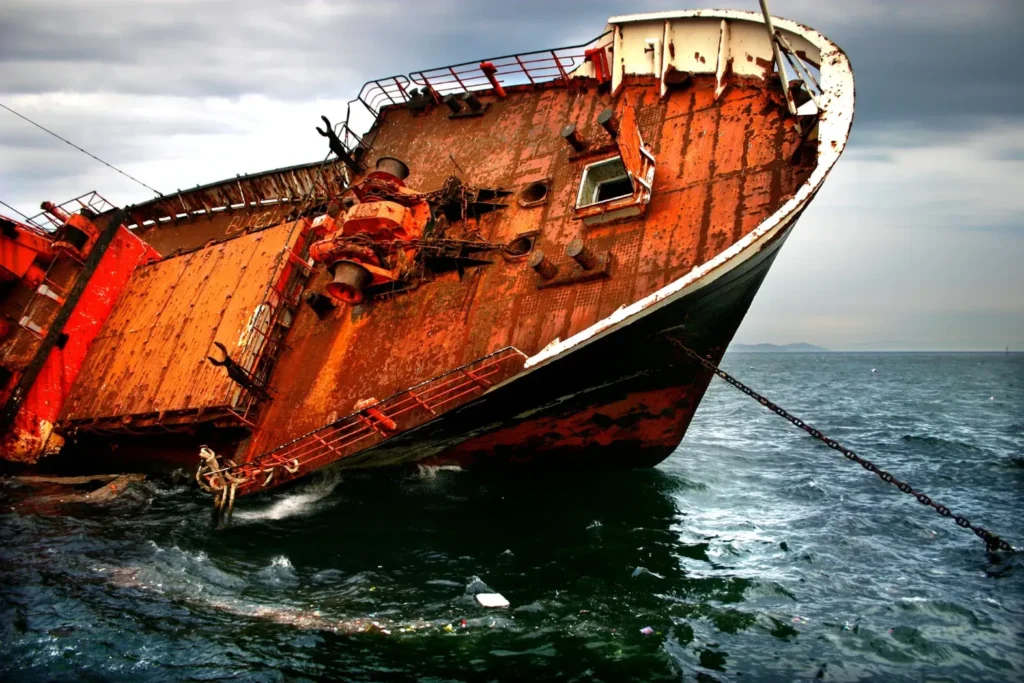 Boating accidents can be devastating, causing injuries, damages, and sometimes even fatalities. Understanding the different entities that could potentially be responsible for these accidents is crucial. With guidance from Abraham Watkins, we can explore the intricacies of liability in boating accidents, assist you in navigating the complexities of these situations, and ensure your rights are protected. Call us today at 713-222-7211 to speak to a Houston boat accident lawyer.
Understanding Boat Operator Responsibilities
A pivotal factor in determining liability in a boating accident is the boat operator’s responsibilities. Boat operators must understand and comply with boating regulations and safety guidelines. They have a duty to operate the vessel safely and responsibly, ensuring the safety of passengers and other waterway users.
Boat operators must be knowledgeable about the rules and regulations specific to the body of water they are navigating. Different bodies of water may have different speed limits, navigation rules, and restricted areas. It is the responsibility of the boat operator to familiarize themselves with these regulations and the area where they are boating to ensure compliance and the safety of their passengers.
In addition to following regulations, boat operators must also be aware of their surroundings and exercise caution at all times. They should be mindful of other boats, boating activities such as tubing, swimmers, and potential hazards such as rocks or submerged objects. By maintaining a proper lookout, boat operators can help prevent accidents and ensure the safety of everyone on board and others around them.
Negligent Behavior While Boating
When negligent or reckless behavior is involved, the boat operator may be held responsible for any resulting accidents and injuries caused by their negligence. Examples of negligent behavior include operating the boat under the influence of alcohol or drugs, speeding, failing to maintain a proper distance from other boaters, or failing to properly maintain the vessel.
Operating a boat under the influence of alcohol or drugs is not only illegal but also extremely dangerous. Impaired judgment and slower reaction times can lead to catastrophic boat accidents and fatal injuries. Boat operators have a responsibility to themselves and others to never operate a vessel while under the influence.
Speeding is another form of negligence that can have serious consequences. Excessive speed reduces the operator’s ability to maneuver the boat safely and increases the risk of colliding with other vessels or objects. It is important for boat operators to always adhere to navigation signs, such as no-wake zones, and adjust their speed according to the conditions of the waterway.
Proper maintenance of the vessel is crucial for safe operation. Boat operators should regularly inspect their boats for any mechanical issues or safety hazards. This includes checking the engine, steering system, navigation lights, and safety equipment such as life jackets and fire extinguishers. Failing to properly maintain a vessel can result in equipment failure or other malfunctions that can lead to accidents. Additionally, ensuring the boat is equipped with proper safety equipment can decrease the severity of injuries to others on board.
Boat operators have a significant responsibility to ensure the safety of themselves, their passengers, and other waterway users. By understanding and complying with boating regulations, exercising caution, and avoiding negligent behavior, boat operators can help prevent accidents and promote a safe boating environment.
The Dangers of Reckless Behavior
Reckless behavior on the water can have serious consequences. Speeding through congested areas or engaging in dangerous water sports without regard for others can lead to accidents and serious injuries. In such cases, the individual responsible for the reckless behavior may be held accountable for any resulting injuries or property damage.
When it comes to water activities, it is critical to prioritize safety and responsible behavior. Ignoring basic safety rules and regulations puts oneself at risk and endangers the lives of others sharing the water. The thrill-seeking nature of reckless behavior may provide a temporary adrenaline rush, but the potential consequences can be long-lasting and devastating.
Forms of Reckless Behavior
One of the most common forms of reckless behavior on the water is speeding through congested areas. Whether it’s a crowded marina, island, or a popular beach, these areas are often filled with swimmers, kayakers, jet skiers, and other water enthusiasts. Reckless driving and racing through no-wake zones not only increases the likelihood of collisions but also poses a significant threat to the safety of others. It is essential to respect the designated no-wake zones and exercise caution in congested areas to prevent accidents and injuries.
Furthermore, participating in dangerous water sports without regard for others’ safety is a reckless behavior that should be avoided. Activities such as jet skiing, wakeboarding, or water skiing can be exhilarating, but it is essential to be mindful of others in the vicinity. Failing to maintain a safe distance from swimmers, boats, or other watercraft can lead to collisions and potentially life-threatening accidents. Respecting the rights and safety of others is paramount when engaging in any water sport.
Implications of Reckless Behavior
When reckless behavior on the water leads to accidents, the consequences can be severe. Injuries ranging from broken bones to head trauma or spinal cord injuries can have long-term effects on the victims’ lives. The individual responsible for the reckless behavior may face legal consequences, including fines, penalties, or even criminal charges, depending on the severity of the incident.
Reckless behavior on the water is not only dangerous but also irresponsible. Prioritizing safety, following rules and regulations, and respecting the rights of others are essential for a safe and enjoyable water experience. By avoiding reckless behavior, we can protect ourselves and others, preventing accidents and ensuring a positive water recreation environment for everyone.
Alcohol, Drugs, and Their Role in Boating Accidents
Boating under the influence of alcohol or drugs is illegal and extremely dangerous. Intoxication can impair judgment, reaction time, and coordination, increasing the risk of accidents. If a boating accident occurs and it is proven that the boat operator was intoxicated, they can be held liable for any damages caused.
Boat Owners: Their Responsibilities and Potential Liabilities
Boat owners also have certain responsibilities when it comes to the safety of their vessels. They are obliged to maintain their boats in a seaworthy condition, ensuring that all necessary safety equipment is present and in proper working order.
If a boating accident is caused by a mechanical failure or the lack of necessary safety equipment, the boat owner may be held liable for any resulting injuries. It is essential for boat owners to regularly inspect and maintain their boats to prevent accidents and potential legal repercussions.
The Importance of Choosing Qualified Operators
When it comes to recreational boating accidents, ensuring that the person operating the vessel is qualified and experienced is of utmost importance. Boat owners and rental companies should carefully select and train their operators to minimize the risk of accidents.
If an unqualified or inexperienced individual operates a boat and causes an accident, the boat owner or rental company could be held liable for negligence in selecting and retaining the operator.
The Significance of Regular Boat Maintenance
Maintaining a boat is not just about keeping it in good condition; it is also essential for ensuring the safety of everyone on board. Regular boat maintenance includes inspections, repairs, and adherence to recommended servicing schedules.
If a boating accident occurs due to a mechanical failure that could have been prevented with proper maintenance, the owner may be held accountable for any resulting damages or injuries.
Passenger Influences and Accountability
While the boat operator often bears the most responsibility for the safe operation of the vessel, passengers also have certain responsibilities and can contribute to accidents. Passengers must follow the instructions of the boat operator and exercise caution while on board.
In cases where a passenger’s reckless behavior or failure to heed safety instructions leads to a boat accident, they may be held accountable for their actions.
Passenger actions can have a significant impact on the outcome of a boating trip. Standing or moving inappropriately on a boat, distracting the operator, or interfering with the vessel’s controls can all increase the risk of accidents. If a passenger’s actions directly contribute to a boating accident, they may be held legally responsible for any resulting injuries or damages.
Equipment and Manufacturer Accountability
The quality and safety of boating equipment, such as life jackets, navigation lights, and engine parts, are crucial to prevent accidents. When a boating accident is caused by a defective product, the manufacturer or seller of the defective product may be held accountable for any resulting injuries or damages.
Navigating Product Liability in Boating
Product liability cases involving boating accidents can be complex, requiring thorough investigation and expert analysis. If you believe a defective product contributed to your boating accident, it is essential to seek legal advice to navigate the intricacies of product liability law.
Recognizing Defective Equipment and Its Implications
It is essential for boaters to have a keen eye for recognizing defective equipment in order to avoid potential accidents. Regularly inspecting and testing safety equipment can help identify any defects or malfunctions before they cause harm.
If a boating accident is caused by defective equipment that should have been recognized and replaced, the responsible party may be held liable for any resulting injuries or damages.
Rental Companies’ Duty to Their Customers
Many people opt to rent boats for recreational purposes. In such cases, the boat rental company has a duty to ensure the safety of their customers. This duty includes providing well-maintained boats, appropriate safety equipment, and clear instructions on how to operate the vessel.
If a rental company fails to fulfill their duty, leading to a boating accident, they may be held liable for any injuries or losses incurred by their customers.
Ensuring Safety with Adequate Measures
Ensuring the safety of boating activities requires taking adequate measures. This includes conducting thorough boat inspections, performing routine maintenance, and following all safety guidelines and regulations established by local authorities.
By adopting these measures, boat owners and operators can minimize the risk of accidents and avoid liability for any resulting damages or injuries.
Delivering Clear and Proper Instructions
Clear and proper instructions are crucial for anyone operating or participating in boating activities. Rental companies, boat owners, and personal watercraft operators should provide their clients and passengers with comprehensive instructions on safety procedures, emergency protocols, and the proper handling of the vessel.
By delivering clear instructions, individuals and companies can promote boating safety and minimize the likelihood of accidents.
Holding Companies Accountable for Quality Work
When hiring professionals to perform maintenance or repair work on a boat, it is crucial to choose reputable companies. Holding these companies accountable for the quality of their work is essential, as negligent services can create hazardous situations. Should a boating accident arise from the negligence or insufficient service provided by a maintenance or repair company, they could potentially be liable for any injuries that result from their negligence.
Evaluating Other Boaters’ Impact on Safety
Boating safety is not just dependent on the actions of an individual vessel operator; it also relies on the behavior of other boaters sharing the same waterways. Irresponsible or reckless behavior by other boaters can create hazardous situations and increase the risk of fatal boating accidents. If another boater’s negligence causes a boating accident, that individual may be held liable for any resulting damages or injuries.
Shared Waterways, Shared Responsibilities
On shared waterways, everyone has a responsibility to adhere to safety regulations and guidelines. By respecting others on the water and practicing safe boating habits, accidents can be minimized. Being mindful of your surroundings and maintaining situational awareness is crucial when navigating shared waterways to ensure the safety of all involved.
Local Authorities and Their Role in Boating Safety
Local authorities play a crucial role in boating safety by enforcing all boating laws and regulations. They are responsible for monitoring waterways, ensuring compliance with safety standards, and addressing any violations or accidents that occur. If you are involved in a boating accident, it is important to call local authorities to ensure a proper investigation is conducted.
The Maintenance of Navigational Aids
Navigational aids, such as buoys and markers, play a vital role in safe boating. Proper maintenance of these aids is necessary to ensure they are visible, accurately positioned, and functioning as intended.
If a boating accident occurs due to the lack of maintenance or incorrect placement of navigational aids, the responsible party may be held liable for any resulting damages or injuries.
Adherence to navigational aids is also crucial in maintaining boating safety. An operator should always be on the lookout for navigational aids and markers to ensure the safety of their passengers and other boaters.
Charter Companies and Upholding Standards
Charter companies offer boating services to individuals and groups, often providing both the vessel and crew. These companies have a responsibility to uphold safety standards, ensuring that their vessels are seaworthy and their crew is qualified. If an accident occurs during a charter trip due to the charter company’s negligence or failure to uphold safety standards, the company may be held liable for any resulting injuries of a boat accident victim.
Ensuring the Safety of Both Crew and Vessel
The safety of the crew and vessel is paramount during any boating expedition. Charter companies need to prioritize crew training, emergency preparedness, and adherence to safety protocols. By maintaining a safe environment for both crew members and the vessel, charter companies can significantly reduce the risk of accidents and liability.
The Role of a Lawyer in Navigating Boating Accidents in Houston
When involved in a boating accident, seeking legal representation is crucial to navigate the complex legal landscape. A knowledgeable lawyer can provide guidance, conduct investigations, and advise on the appropriate legal course of action.
If you have suffered from a boating injury in Houston, consult with Abraham Watkins to protect your rights and seek the compensation you deserve.
How Legal Acumen Makes a Difference
Legal knowledge and experience can significantly affect the outcome of a boating accident case. A skilled attorney understands the intricacies of maritime law, product liability, and personal injury claims, ensuring your case is handled with skill and precision.
Why Choose Abraham Watkins
Choosing the right legal firm to represent you in a boating accident case is crucial. Our firm has extensive experience in handling boating accident claims in Houston and we are dedicated to advocating for the rights of our clients. With a deep understanding of maritime law and a track record of successful cases, we are committed to achieving the best possible outcome for boat accident victims.
Contact Us if You’ve Suffered from a Boating Injury in Houston
If you have been injured in a boating accident in Houston, do not hesitate to contact Abraham Watkins. We are here to provide you with the guidance and support you need during this challenging time. Our experienced boating accident attorneys will fight for your rights and help you seek the compensation you deserve in a boating accident case.
Remember, when it comes to boating accidents, determining liability is essential to ensure accountability and protect the rights of victims. Trust us to guide you through the complexity of boating accident liability, standing by your side every step of the way. Your peace of mind and protection are our priority. Call Abraham Watkins at 713-222-7211 to schedule a free consultation with a Houston boating accident attorney today.

Request A
Free Consultation
Fields Marked With An “*” Are Required